
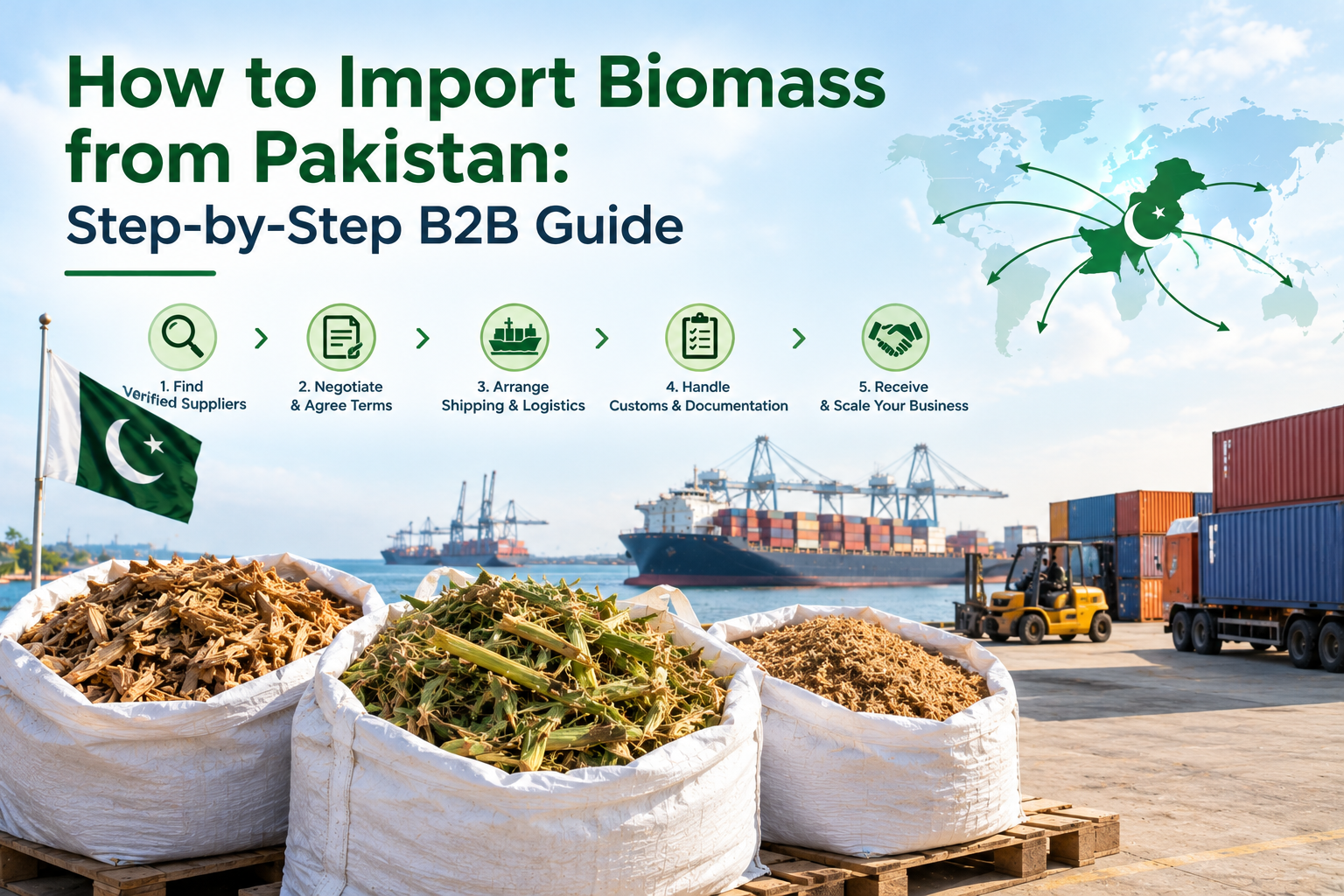
How to Import Biomass from Pakistan: Step-by-Step B2B Guide
Importing plant-based bulk material seems simple until the paperwork, moisture readings, and freight invoice arrive. Companies that want to import […]
Importing plant-based bulk material seems simple until the paperwork, moisture readings, and freight invoice arrive. Companies that want to import […]
Importing plant-based bulk material seems simple until the paperwork, moisture readings, and freight invoice arrive. Companies that want to import biomass from Pakistan usually discover that the supplier is only one of several moving parts: customs rules, documentation, shipping terms and inspection all need planning.
This guide walks through how to Import Biomass from Pakistan, step by step, from defining what you need to checking goods at your port. It assumes a business-to-business purchase of dried and processed agricultural residues. Rules vary by country and by product, so treat it as a framework and confirm local requirements with your own authorities.
Step 1: Define the Product and Use
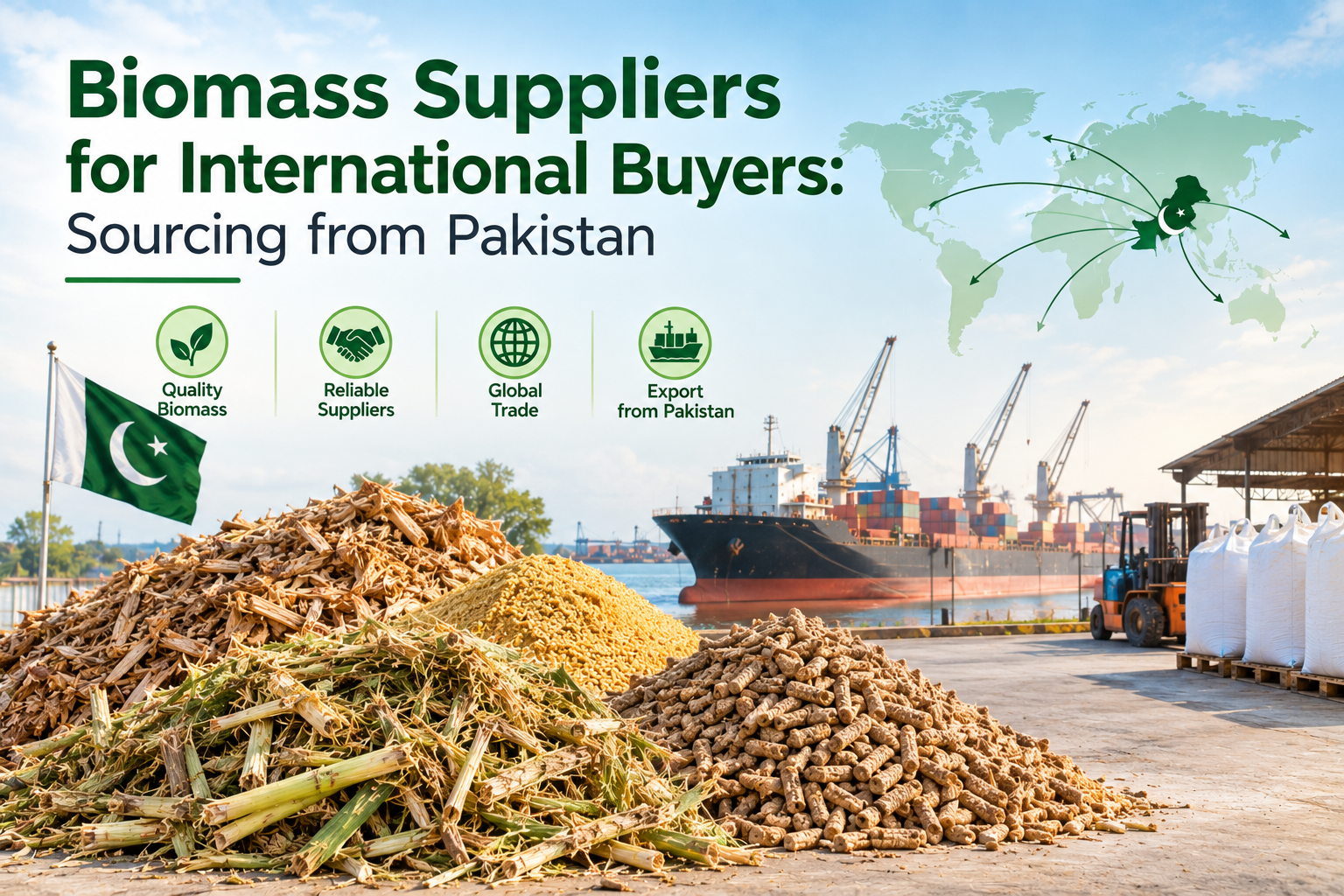
“Biomass” covers corn cobs, sugarcane residues, husks, straw, stalks and more. A World Bank-supported mapping project lists wheat straw, cotton stalk, rice straw and husk, maize stalk, cob and husk, sugarcane trash and bagasse among Pakistan’s main residues. Pick the specific residue, the form (chopped, ground, granulated) and your end use, whether feed fibre, substrate, compost, industrial raw material or fuel.
Step 2: Check Import Rules in Your Country
Do this before negotiating. Requirements depend on your market and on whether the material is classed as feed, plant product, compost input or fuel. Plant-derived goods often attract phytosanitary controls, and the International Plant Protection Convention provides general information on international phytosanitary standards. Ask your customs broker or national plant protection authority which certificates, permits and tariff classifications apply and whether any pre-import registration is needed.
Step 3: Shortlist Suppliers
Send the same written inquiry to several suppliers so that quotations can be compared. Include use, form, size range, moisture limit, packing, volume, destination port and preferred Incoterm. Watch how they respond. Good suppliers ask about your application.
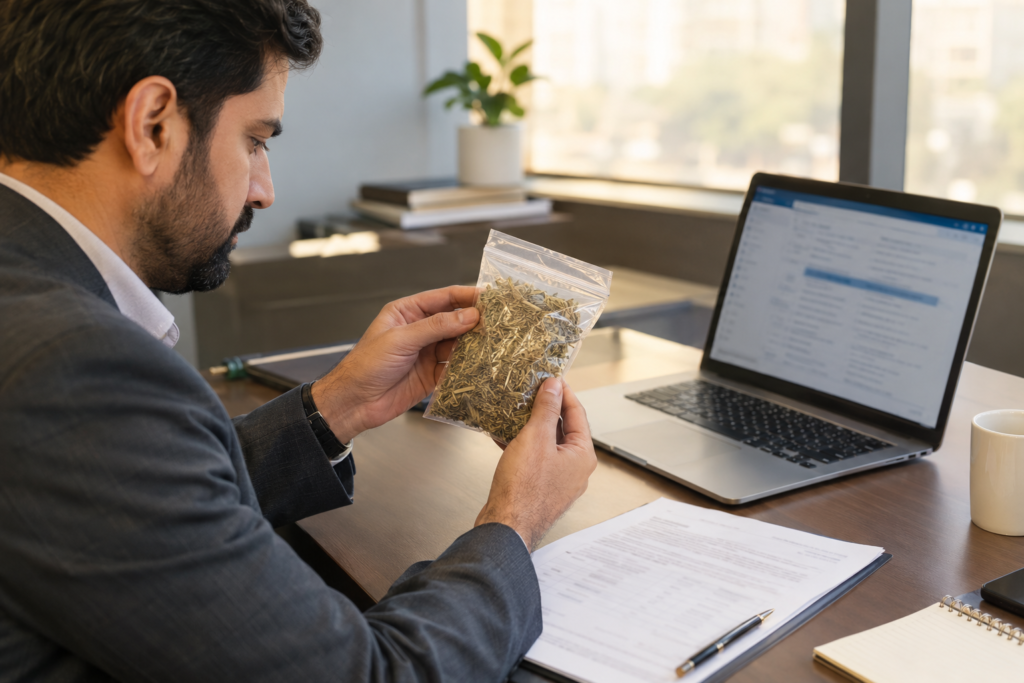
Step 4: Request and Test Samples
A sample costs little compared with a rejected container. Test it against your needs.
- Moisture and cleanliness: the basic checks for any residue.
- Application trial: mix it into your substrate, feed or compost process.
- Fuel buyers: commission independent analysis. The ISO 17225 series sets out specifications and classes for solid biofuels, and its non-woody pellet part notes that agricultural biomass generally carries higher ash, chlorine, nitrogen and sulfur.
Step 5: Agree the Specification and Commercial Terms
Write down the product description, moisture limit and test method, size range, packing, quantity and tolerance, delivery term and shipment window. Choose an Incoterm. The Trade Development Authority of Pakistan explains that FOB, CIF and related terms define who pays freight and who bears risk at each stage. Settle the payment method with your bank, and consider a modest first order.
| Term Typical | l meaning for the importer |
|---|---|
| FOB | You arrange and pay main freight and insurance from the loading port |
| CIF | Seller covers freight and insurance to your destination port |
Confirm exact obligations with your forwarder, since details matter.
Step 6: Prepare Documents
Typical documents in an agricultural export include a commercial invoice, packing list, bill of lading and, where required, certificates such as phytosanitary documentation or a certificate of origin. Your broker will tell you what your country demands. Pakistani exporters can obtain general guidance through TDAP, and you should ask the supplier early which documents it can provide.
Step 7: Plan Packing and Shipping
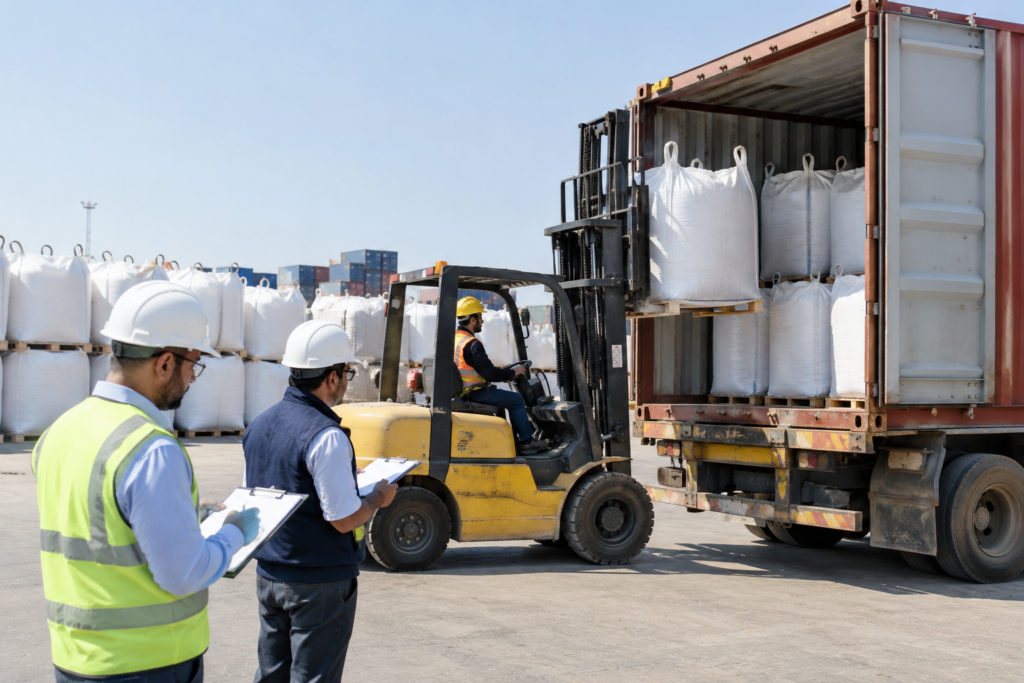
Plant residues are bulky, so packing affects freight cost. PP bags and jumbo bags are the usual formats. Ask how many tonnes fit in a container and how containers are inspected, loaded and sealed. Dryness is critical: moisture ingress or self-heating on a long voyage can ruin cargo. Discuss route, season and any protective measures with your forwarder.
Step 8: Consider Pre-Shipment Inspection
For larger or first-time orders, an independent inspection company can verify quantity, packing and sampling before the container is sealed. It adds cost but reduces dispute risk.
Step 9: Clear Customs and Receive Goods
Your broker handles clearance using the shipping documents. On arrival, inspect containers for damage and dampness before unloading.
Step 10: Check Quality and Close Out
Compare delivered material against the contract specification and your retained sample. Report any differences promptly and in writing, and keep records for future orders.
Importing from Daa Agri Limited
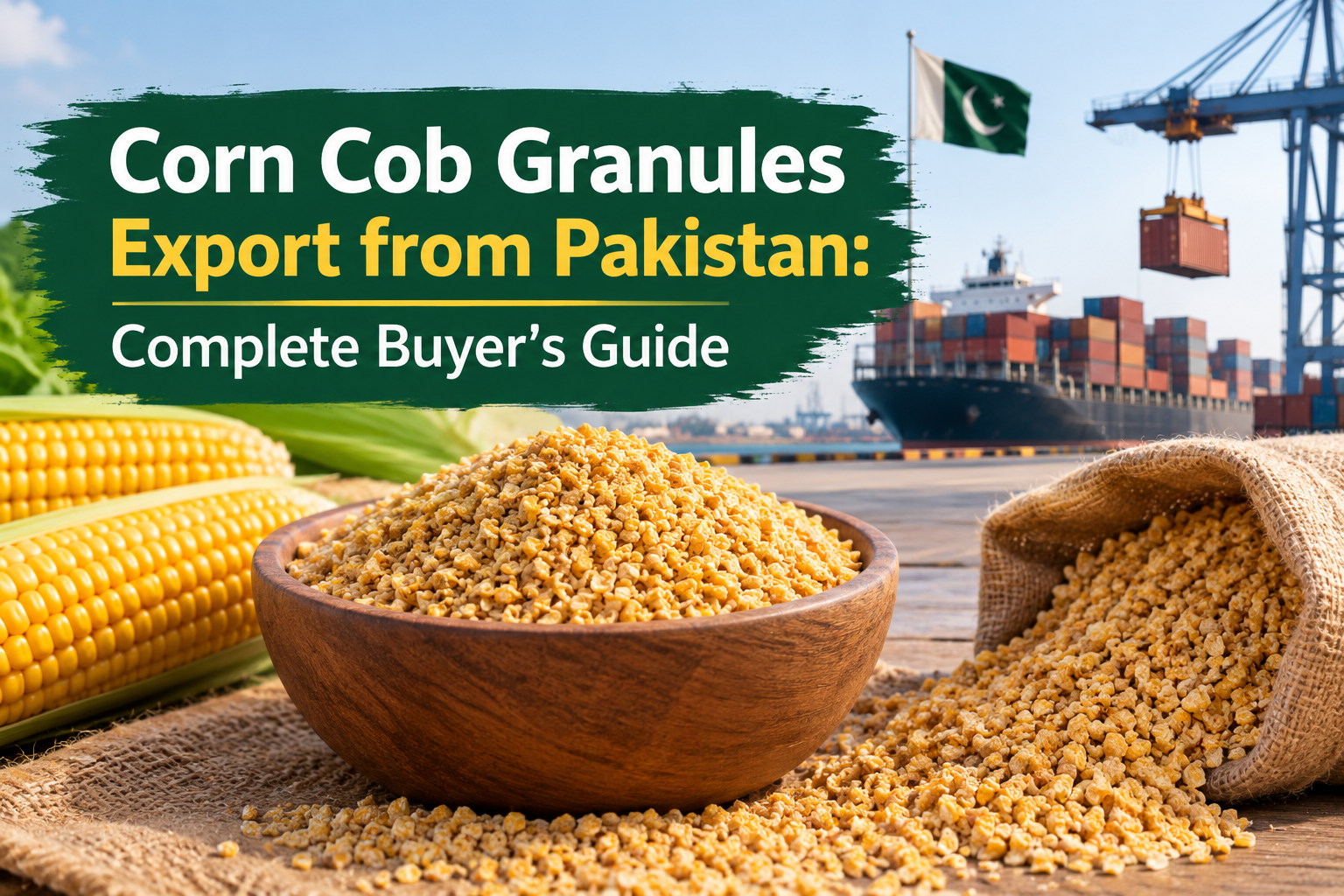
Daa Agri Limited is a Pakistan-based agricultural processing and export company. Its profile lists corn cob meal, corn cob granules and processed sugarcane tops and field residues as core export products and describes sourcing across Punjab, cleaning and sorting, sun drying, size reduction, moisture checks and export packing in PP or jumbo bags with containerized export handling.
Buyers can send their use, form, packing preference, volume, destination port and preferred Incoterm to discuss availability and a quotation. Import requirements for your country remain your responsibility, so confirm them with your authorities before ordering.
Conclusion
To import biomass from Pakistan smoothly, follow these steps: define the product, check your import rules, test samples, fix the specification and terms, prepare documents, plan packing and shipping and inspect on arrival. Most problems arise from skipped steps, not from distance.
To start a conversation, contact Daa Agri Limited at info@daaagri.com.
Turn industry knowledge into a supply conversation.
Contact GreenCore for product availability, specifications, bulk packaging and export support.