
Corn Cob Granules Export from Pakistan: Complete Buyer’s Guide
Shell a maize ear, and what remains is a hard, fibrous core. Cracked and screened into uniform particles, that core […]
Shell a maize ear, and what remains is a hard, fibrous core. Cracked and screened into uniform particles, that core […]
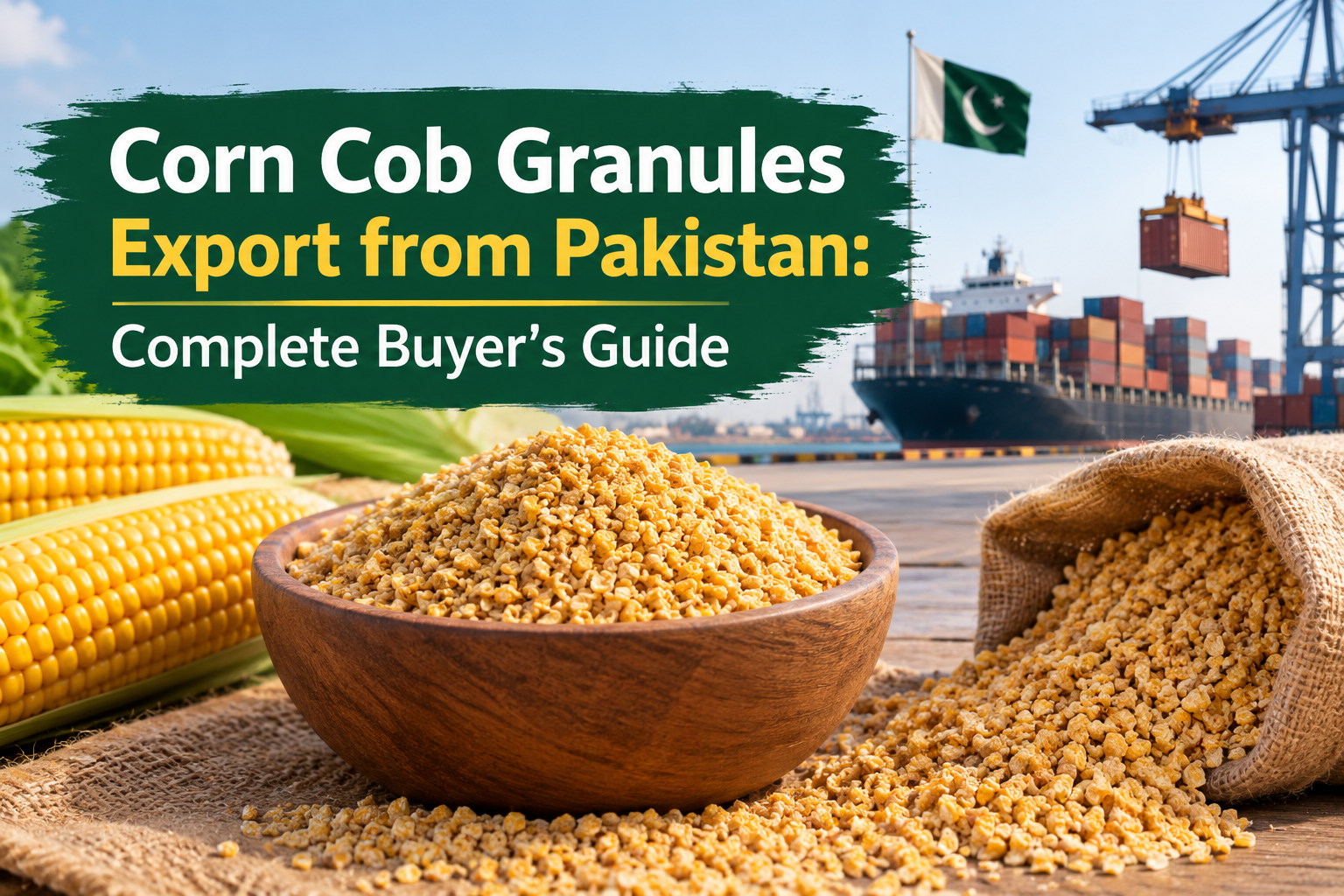
Shell a maize ear, and what remains is a hard, fibrous core. Cracked and screened into uniform particles, that core becomes corn cob granules, a plain-looking material with a surprisingly wide set of industrial and agricultural uses. For importers, corn cob granules export from Pakistan offers a renewable, plant-based granule sourced from one of the country’s major crops.
This guide covers Corn Cob Granules Export from Pakistan, what the product is, where it is used, which quality factors to specify and how an export order should run from inquiry to arrival.
What Corn Cob Granules Are
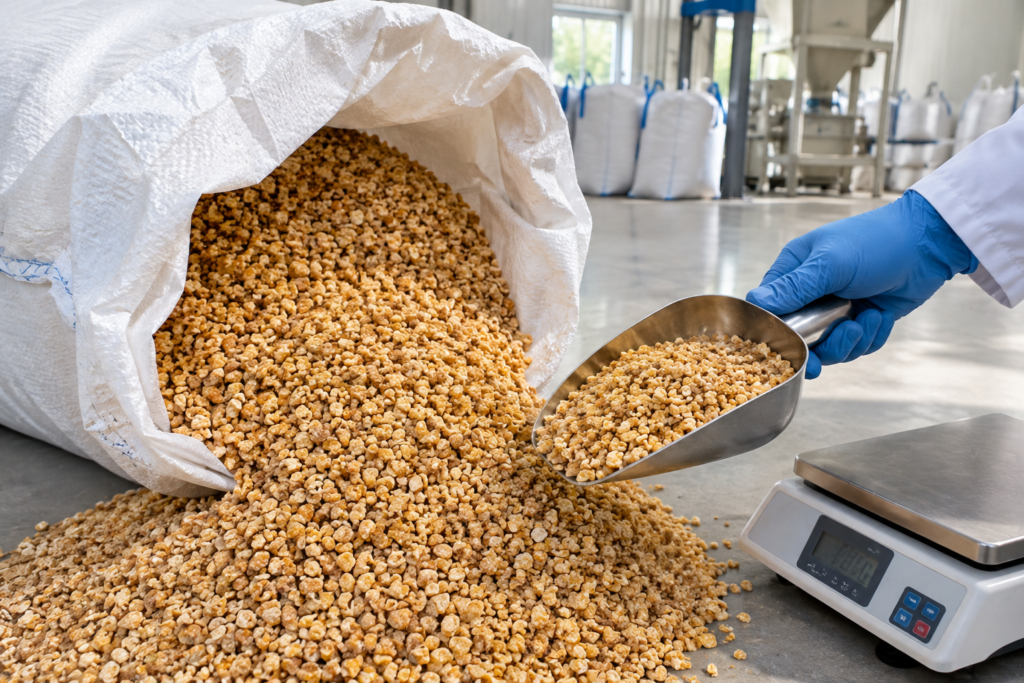
A corn cob has several parts. The dense, woody ring is the hardest section, while the pith, chaff and the soft, light “beeswing” layer are far less dense. Technical literature, including a US patent on cob-based animal bedding, describes how corncob particles can be derived from the woody ring as broken granules known as grit, or from the pith, chaff and beeswing. Cleaning, grinding and screening determine which fraction ends up in the bag, so the granule you buy depends heavily on how it was processed.
Corn cob granules are not the same as corn cob meal. Meal is generally finer, while granules are screened to a more uniform, coarser size. State which one you want when you inquire.
Common Uses
Buyers use cob granules in several ways:
- Absorbent applications. Cob-based particles are used where liquid absorption matters. The patent literature describes absorbent cob granules used in applications such as animal bedding and litter, with particle size matched to the job.
- Substrate blending. Granules can be blended into growing media and mushroom substrates, where structure and moisture retention matter. Research from Brazil examined shiitake production in corn cob substrates.
- Livestock fibre feed. Cob fibre can serve as roughage in feed formulations, though nutritional value is modest, so lot-specific analysis and nutritional guidance are advisable.
Other uses exist in industrial and agricultural supply chains, but the right grade for each depends on size, cleanliness and moisture. Confirm suitability with your own testing.
Why Pakistan Is a Logical Source
Pakistan grows maize widely, and cobs are available after each harvest. The dry climate allows natural sun-drying, which helps control moisture before grinding. Local agricultural costs are competitive against many other origins, and the country has the port and container infrastructure needed for export. None of this replaces supplier due diligence, but it explains why buyers look here.
Quality Factors to Specify
Particle size
Size is the first specification. Different applications use very different ranges, and mesh ranges for cob particles vary widely. A patent describing cob-grit-based litter, for example, discusses particle size ranges between roughly 8 and 40 mesh. Rather than copying a number from a document, agree on a range and tolerance with your supplier, then test a sample.
Uniformity
Uniform granules flow and blend more predictably. Ask how the supplier screens material and how consistent lots are.
Moisture
Granules shipped damp can heat and mould. Agree on a maximum moisture level and ask how it is measured.
Cleanliness
Soil, dust, stones and foreign matter should be removed. Contamination is a common source of disputes.
Fraction
Ask what part of the cob is in the product. Woody-ring granules and softer fractions behave differently.
| Factor | What to ask the exporter |
|---|---|
| Size | Target range and tolerance |
| Uniformity | Screening method, lot consistency |
| Moisture | Maximum limit and test method |
| Cleanliness | Cleaning steps before grinding |
| Packing | Bag type, weight and loading method |
How Export Processing Should Work
A credible exporter will describe a sequence: collection, cleaning and sorting, drying, grinding, screening for size, moisture checks and packing. Daa Agri Limited lists this chain in its company profile, including direct farm and mandi sourcing across Punjab, cleaning and sorting, sun drying, size reduction to uniform sizes, moisture and quality checks, export compliance and packing in PP or jumbo bags.
Packing, Shipping and Terms
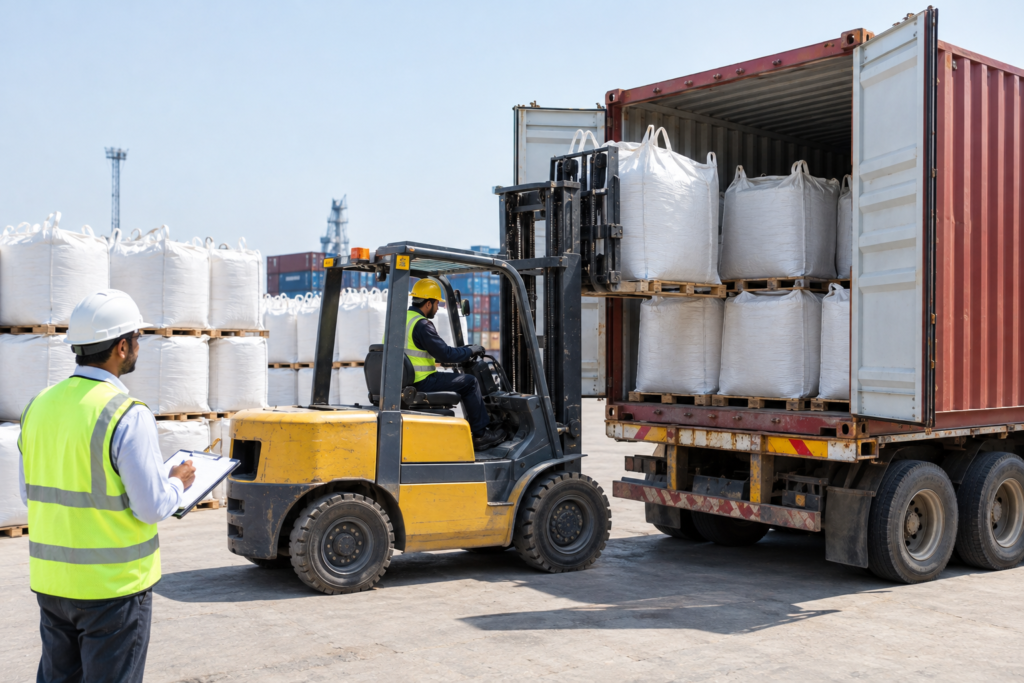
Granules are denser than meal, but still bulky relative to many cargoes. PP bags and jumbo bags are common packing choices, and the right one depends on your handling equipment. Keep cargo dry from loading to unloading, and ask how containers are inspected and sealed.
Agree on an Incoterm early. The Trade Development Authority of Pakistan explains that FOB, CIF and related terms are standard in international trade and define who carries cost and risk. General exporter and buyer information is available through TDAP. Your customs broker should confirm destination-country import requirements, which can differ depending on whether the product is classed as feed, plant material or industrial input.
A Safe Ordering Sequence
- Send your use, size range, packing, volume and destination port.
- Request a sample and test it in your process.
- Confirm the specification in writing.
- Agree on the Incoterm, payment terms and shipment window.
- Consider a trial shipment before scaling up.
- Inspect on arrival and report differences promptly.
Corn Cob Granules from Daa Agri Limited
Daa Agri Limited is a Pakistan-based agricultural processing and export company. Its company profile lists corn cob granules among its core export products, described as cleaned, uniform granules processed to industrial grade for absorbent applications, substrate blending and livestock fibre feed, and offered for bulk export. The profile also describes mechanized processing with moisture control, grading and contamination checks, and export-ready packing in PP and jumbo bags with containerized export handling.
Buyers can share their application, preferred size range and expected volume to discuss availability.
Conclusion
Corn cob granules export from Pakistan works best when buyer and supplier agree on the details: size, uniformity, moisture, cleanliness and packing. Define your use, test a sample and put every term in writing. For more information about our products, services, and export solutions, please visit Daa Trade.
To request specifications or a quotation, contact Daa Agri Limited at info@daaagri.com.


Turn industry knowledge into a supply conversation.
Contact GreenCore for product availability, specifications, bulk packaging and export support.