
How to Buy Sugarcane Residues from Pakistan in Bulk
Sugarcane residues look simple on paper: leafy tops and field material, collected after harvest and shipped in bulk. In practice, […]
Sugarcane residues look simple on paper: leafy tops and field material, collected after harvest and shipped in bulk. In practice, […]
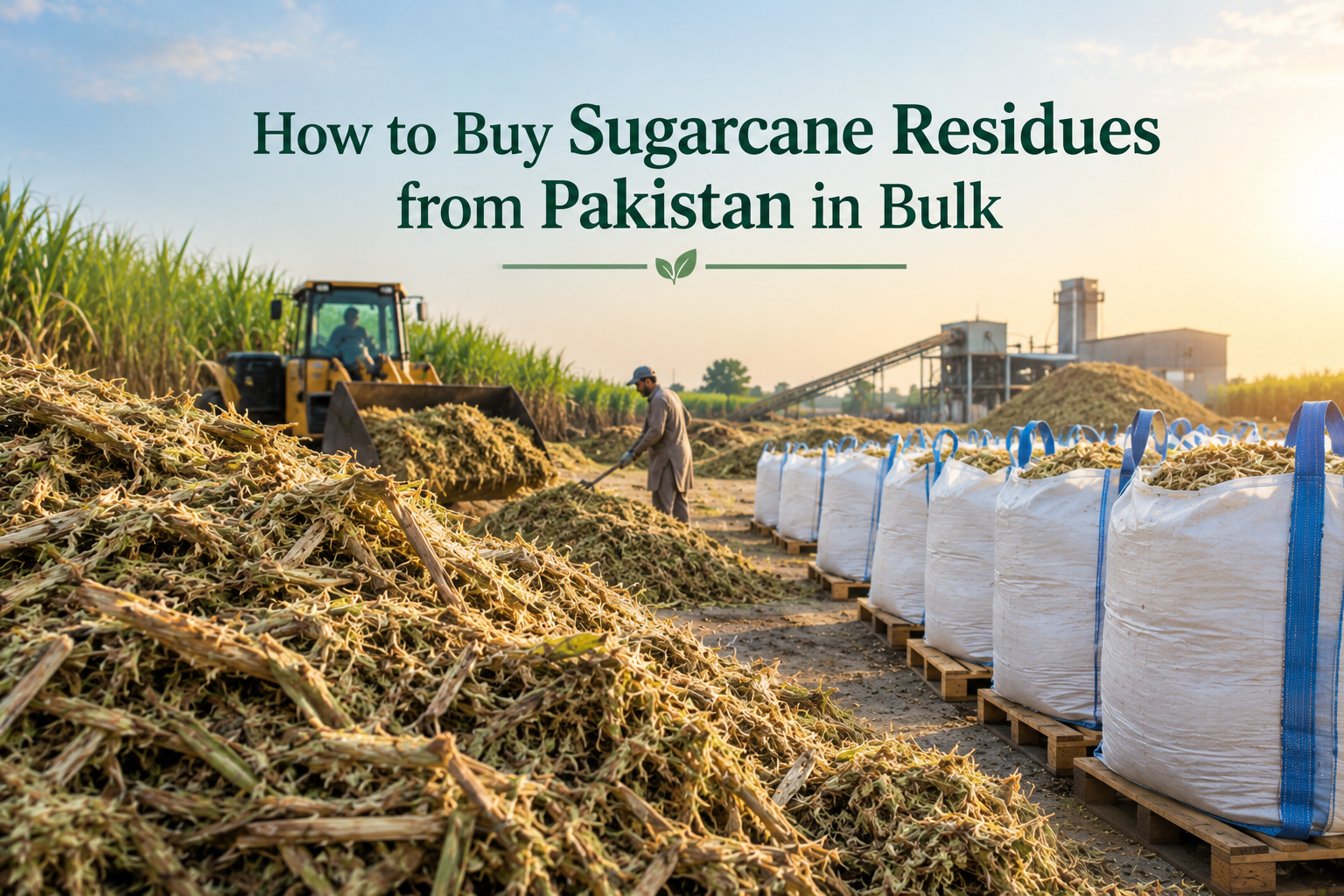
Sugarcane residues look simple on paper: leafy tops and field material, collected after harvest and shipped in bulk. In practice, two quotes for the same product name can describe very different goods, one clean and dry, the other damp and full of soil. If you want to buy sugarcane residues from Pakistan without surprises, the process you follow matters as much as the price you negotiate.
Here is a practical route from first inquiry to arrival at your port.
Step 1: Know What You Are Buying
“Sugarcane residue” covers several materials. Tops and leaves, dry field trash, mill bagasse and press mud are all different, with different uses and handling needs. FAO’s Feedipedia notes that sugarcane tops represent roughly 15 to 25 percent of the plant’s above-ground portion and can be used fresh, dried or ensiled. Mill bagasse is a separate by-product, and a case study on Pakistan’s sugar industry estimates that about one tonne of bagasse results from every three tonnes of cane.
Be specific when you inquire. Say whether you want processed tops and field residues, bagasse or something else.
Step 2: Define Your Application
Your use decides your specification. Typical uses include:
- Fibre for livestock feed formulations.
- Compost and soil-enrichment inputs.
- Industrial or biomass raw material.
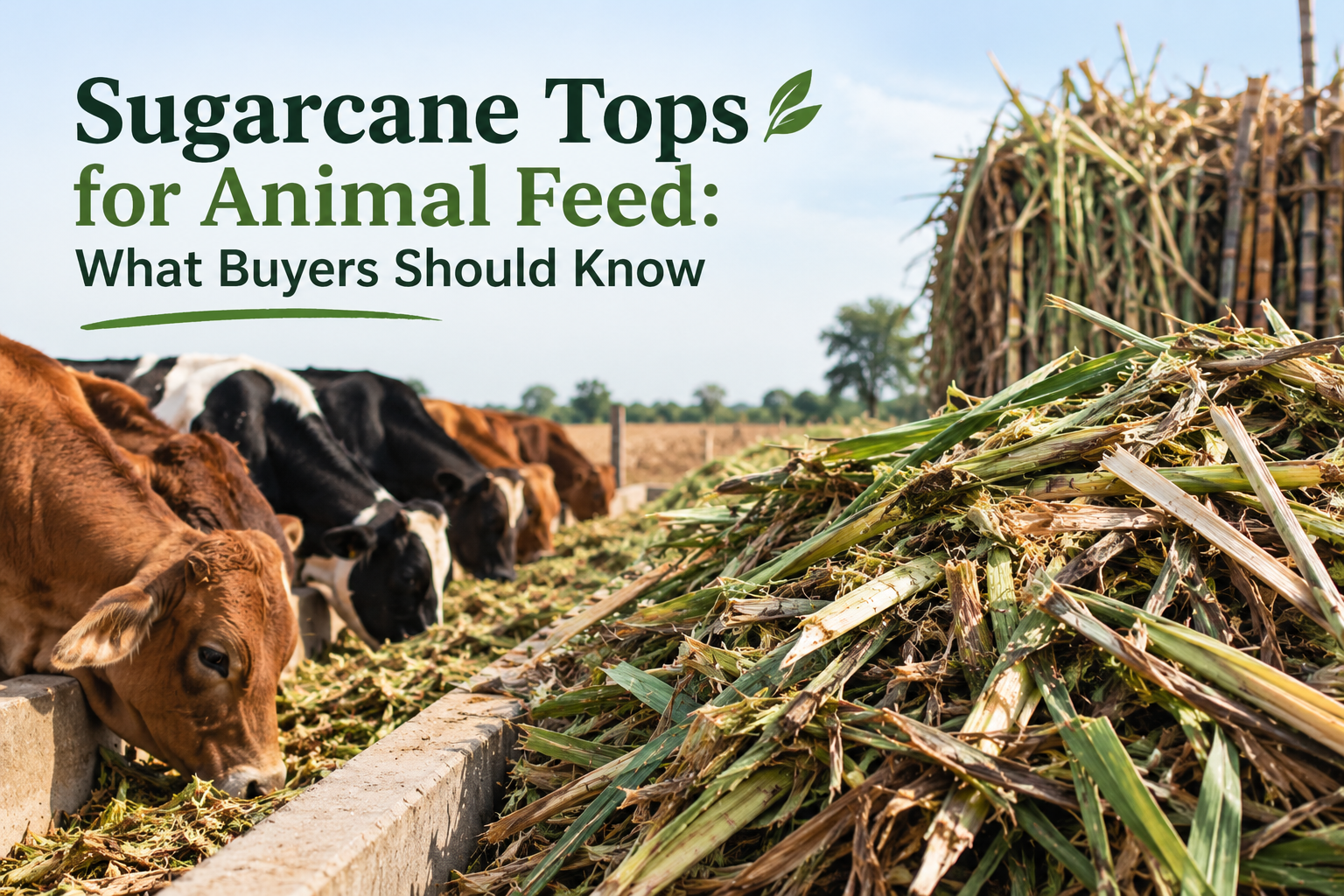
Each calls for different particle size, dryness and cleanliness. A feed buyer should seek lot analysis and professional nutritional advice rather than rely on generic composition figures.
Step 3: Understand Where the Material Comes From
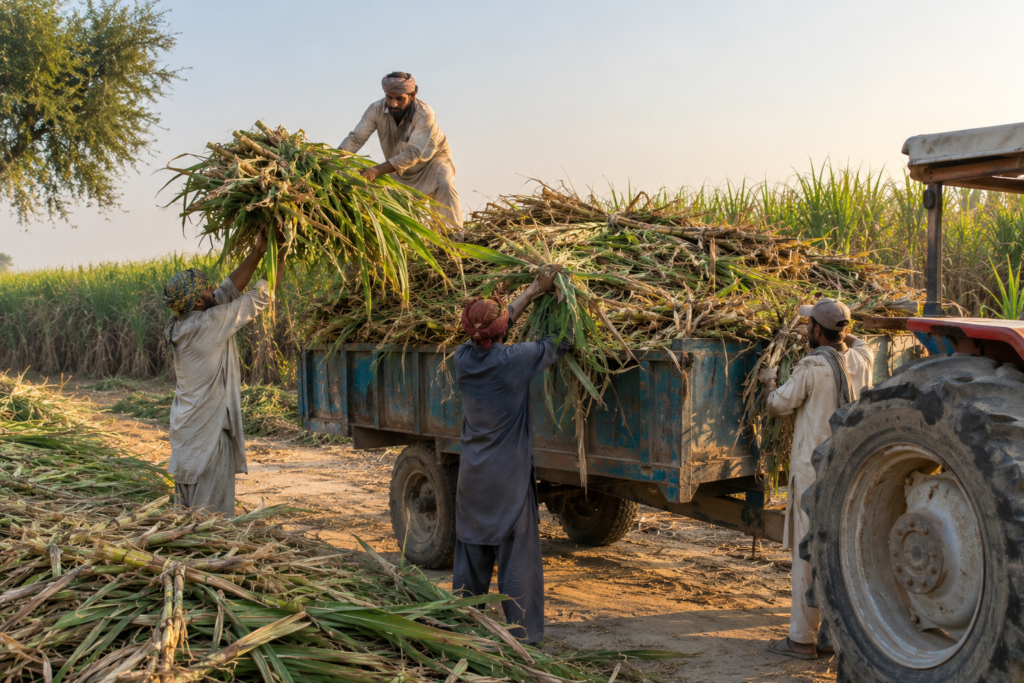
Sugarcane is concentrated in two provinces. A USDA FAS report states that Punjab and Sindh account for about 93 percent of Pakistan’s sugarcane production. Because residues come out of the harvest cycle, availability follows the cane season. Ask suppliers how they manage supply across the year, including how material is collected and stored.
Step 4: Shortlist Suppliers and Ask Direct Questions
Send the same written requirements to several suppliers so quotes can be compared fairly. Ask:
- Exactly which residue is offered (tops, trash, bagasse)?
- How is material cleaned of soil and foreign matter?
- How is it dried, and what is the moisture limit?
- What processing or size reduction is applied?
- What packing options are available?
- What is the minimum order and typical lead time?
- Can a sample be provided?
Pay attention to specificity. Suppliers who describe their process clearly are easier to trust than those who give generic reassurance.
Step 5: Test a Sample
Evaluate a sample in your own process before ordering. Check moisture, cleanliness, particle size and handling behaviour. A sample is cheap compared with a rejected container.
Step 6: Put the Specification in Writing
Record every agreed detail in the quotation or contract:
- Product description and form.
- Moisture limit and measurement method.
- Cleanliness expectations.
- Packing type and weight.
- Quantity and tolerance.
- Delivery terms and shipment window.
- Documents to be supplied and remedies if goods differ from the specification.
Step 7: Agree Commercial Terms
Choose an Incoterm early. The Trade Development Authority of Pakistan explains that terms such as FOB and CIF are standard trade practice and set out who carries cost and risk at each stage. Payment method, inspection rights and documents should be settled at the same time. Your freight forwarder or customs broker can confirm import requirements in your country, which differ by market and by whether the cargo is feed, compost input or industrial material. General exporter and buyer information is available through TDAP.
Step 8: Plan Packing and Logistics
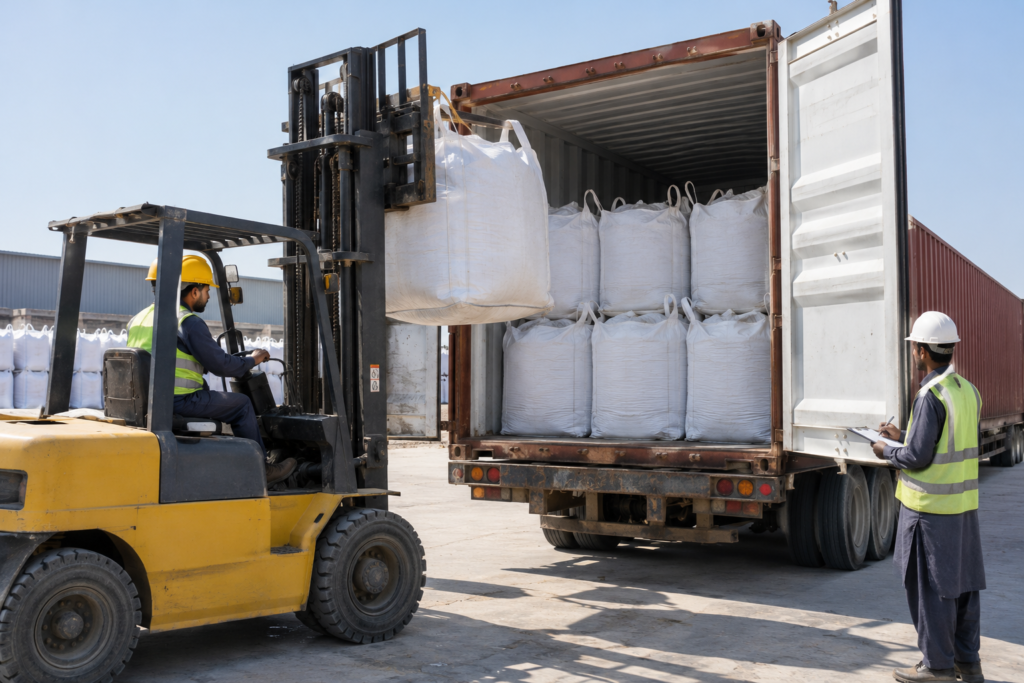
Plant residues are bulky, so packing and container loading affect freight efficiency. PP bags and jumbo bags are common choices, depending on how you handle cargo at the destination. Keep the material dry throughout, and ask how containers are inspected, loaded and sealed.
Step 9: Inspect on Arrival
Compare delivered goods with your written specification and retained sample, checking moisture, cleanliness and packing condition. Report discrepancies promptly and in writing.
Buying from Daa Agri Limited
Daa Agri Limited is a Pakistan-based agricultural processing and export company. Its company profile lists processed sugarcane tops and field residues among its core export products, intended for animal feed fibre, agricultural composting inputs and industrial raw material supply chains. The profile also describes cleaning and sorting, drying, moisture checks and containerized export, with PP and jumbo bag packaging.
If you are considering a purchase, send your intended use, preferred form, packing preference, estimated volume and destination port, and the team can discuss availability and a quotation based on your specification.
Conclusion
To buy sugarcane residues from Pakistan with confidence, define the material and its use, compare suppliers on equal terms, test a sample and lock the specification into the contract. Price matters, but moisture, cleanliness and written terms decide whether the shipment performs as expected.
For specifications or a quotation, contact Daa Agri Limited at info@daaagri.com.
Turn industry knowledge into a supply conversation.
Contact GreenCore for product availability, specifications, bulk packaging and export support.