
Sugarcane Residues Suppliers in Pakistan: Wholesale and Bulk Supply
Search for sugarcane residue suppliers in Pakistan, and you will find a mixed field: local collectors, mill-linked sellers, brokers and […]
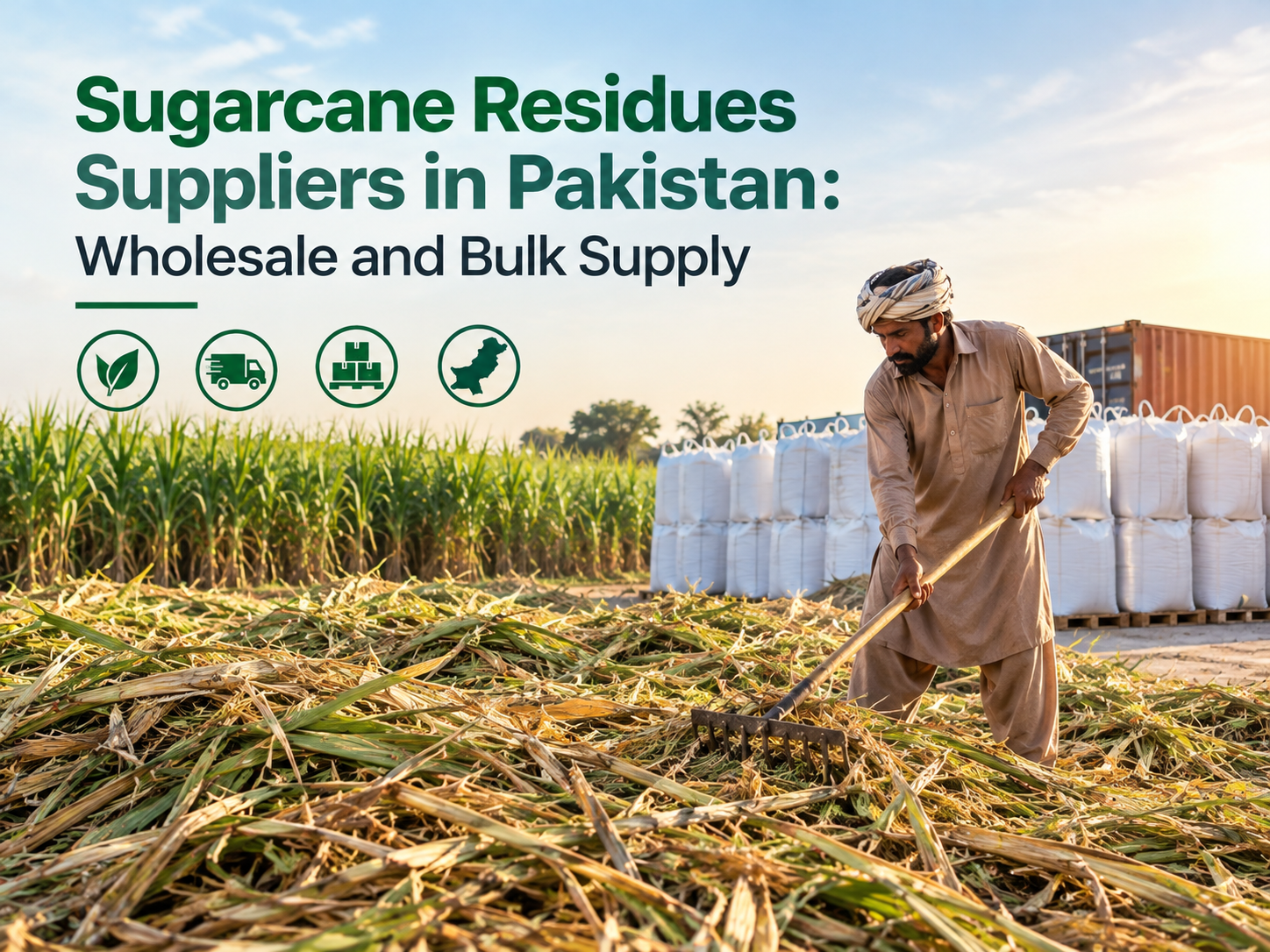
Search for sugarcane residue suppliers in Pakistan, and you will find a mixed field: local collectors, mill-linked sellers, brokers and […]
Search for sugarcane residue suppliers in Pakistan, and you will find a mixed field: local collectors, mill-linked sellers, brokers and export-oriented processors. Many will happily quote a price. Far fewer can tell you how they clean, dry and check the material before it reaches your container.
That difference is the whole point of this guide. It follows Sugarcane Residue Suppliers in Pakistan and explains how wholesale sugarcane residue supply works, how to tell supplier types apart, and what to verify before you commit to regular bulk orders.
Understanding the Supply Side
Pakistan grows sugarcane on a large scale, and the crop is concentrated in two provinces. The USDA Foreign Agricultural Service reports that Punjab and Sindh account for about 93 percent of national production. Residue supply follows the same geography and harvest calendar, so reliability depends on how well a supplier organises collection and storage throughout the season.
One structural point is worth knowing. Mill bagasse is largely consumed by sugar mills as fuel. A Dawn report notes that almost all of Pakistan’s sugar mills run their own bagasse-based cogeneration plants. Wholesale buyers seeking tops and field residues are therefore usually dealing with a different supply chain from the one that serves mills.
Types of Suppliers
Local collectors and traders. They gather material from farms and markets and resell it. They can be flexible, but they often do not control cleaning, drying or consistency.
Small processors. They may chop or grind residues locally. Quality varies, and export paperwork or packing standards can be limited.
Export-oriented processors. They manage collection, cleaning, drying, processing, packing and shipping under one roof or under one management team. This usually gives buyers one point of accountability.
No category is automatically right or wrong. What counts is evidence that the supplier controls the steps that decide quality.
How to Evaluate a Wholesale Supplier
Define the material exactly.
Ask the supplier to state whether the product is tops, field trash, bagasse or a blend, and in what form (chopped, ground or loose). FAO’s Feedipedia notes that sugarcane tops are used fresh, dried or ensiled, which shows how differently the same crop part can be handled.
Check process control
Look for a clear description of collection, cleaning, drying, processing and packing. Vague assurances such as “high quality” tell you little.
Ask about moisture
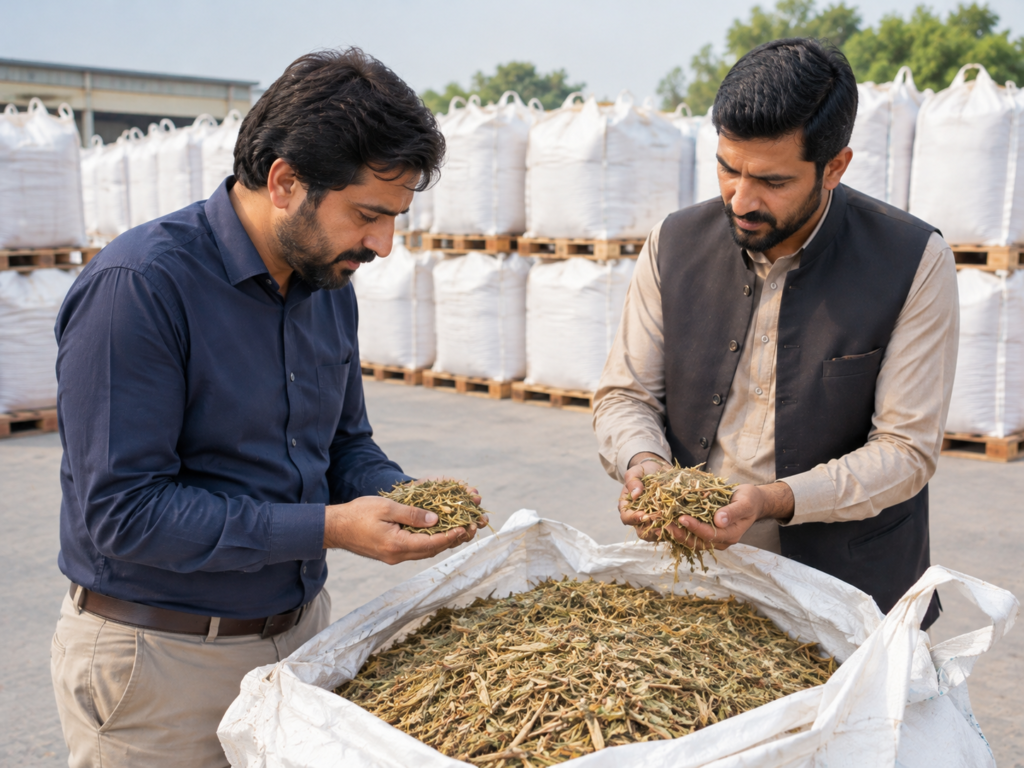
Request the maximum moisture level and the test method. Wet material is the most common cause of disputes with plant residues.
Test consistency
One good sample proves little. Ask how the supplier keeps size, dryness and cleanliness steady across lots and whether retained samples are kept for comparison.
Look at packing and loading.
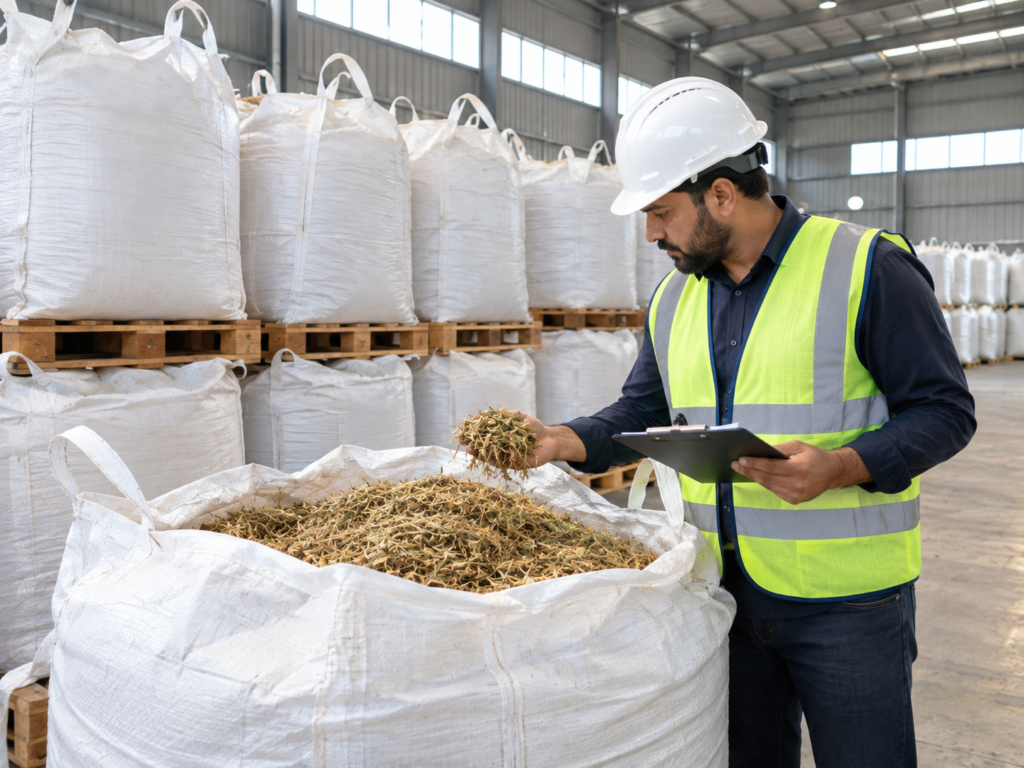
PP bags and jumbo bags are standard, and the right choice depends on your handling equipment. Ask how containers are inspected and loaded, since poor loading can cause moisture damage in transit.
Judge communication
How a supplier handles questions before the order is a reasonable preview of how it handles problems afterwards.
Seasonal Supply and Continuity
Because residues are produced around harvest, continuity depends on planning. Ask whether the supplier sources across a broad area, how material is stored between harvest and shipment and what lead times you should expect. Daa Agri Limited’s company profile highlights structured seasonal sourcing and a supplier network across Punjab and surrounding regions as the basis for steady raw material availability.
Packing, Logistics and Commercial Terms
Plant residues are bulky relative to weight, so packing choices and container loading influence freight efficiency. For pricing terms, agree on an Incoterm at the outset. The Trade Development Authority of Pakistan notes that FOB, CIF and related terms are the common business custom and set out each party’s costs and risks. Your freight forwarder or customs broker can confirm destination-country requirements, which vary by market and by end use.
Red Flags
- No willingness to provide a sample.
- No clear answer on moisture or cleaning.
- Prices far below every other offer, without explanation.
- Specifications that shift between quotation and contract.
- Reluctance to put terms in writing.
Sugarcane Residues Supply from Daa Agri Limited
Daa Agri Limited is a Pakistan-based agricultural processing and export company. Its profile lists processed sugarcane tops and field residues among its core export products, intended for animal feed fibre, agricultural composting inputs and industrial raw material supply chains. The company describes flexible bulk supply capacity, export-ready packaging in PP and jumbo bags and containerized export handling.
Buyers can share their intended use, preferred form, volume, and destination, and the team can discuss availability and provide a quotation.
Conclusion
Good sugarcane residue suppliers in Pakistan are identified by evidence: clear specifications, documented process steps, honest answers on moisture and willingness to send samples. Start with a trial order, keep terms in writing and build volume once consistency is proven.
To discuss wholesale supply or request a quotation, contact Daa Agri Limited at info@daaagri.com.
Turn industry knowledge into a supply conversation.
Contact GreenCore for product availability, specifications, bulk packaging and export support.