
Why Pakistan Is a Growing Source of Agricultural and Biomass Export Products
Pakistan doesn’t usually come up first when procurement teams think about diversifying their supply base. India, Vietnam, and Thailand tend […]
Pakistan doesn’t usually come up first when procurement teams think about diversifying their supply base. India, Vietnam, and Thailand tend […]
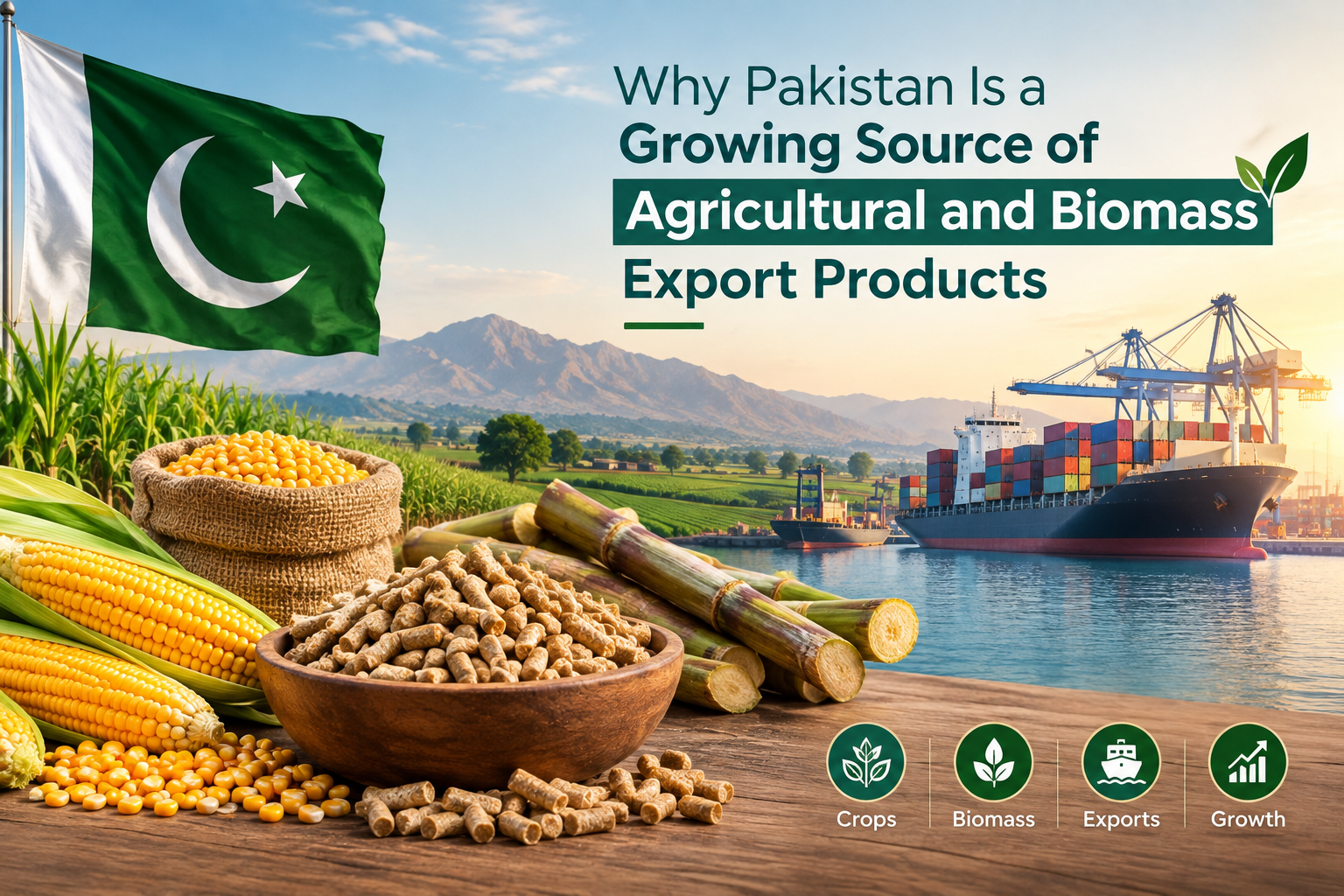
Pakistan doesn’t usually come up first when procurement teams think about diversifying their supply base. India, Vietnam, and Thailand tend to dominate that conversation. But quietly, Pakistan is a Growing Source of Agricultural and Biomass Export Products: a long-established one in staple crops, and a newer one in agricultural by-products and biomass fuel materials that most buyers haven’t fully priced into their sourcing strategy yet.
If you’re a procurement manager, importer, or private-label buyer weighing where to source rice, corn-based residues, or solid biomass fuel, this is worth fifteen minutes of your attention. Not because Pakistan is the obvious answer for every category — it isn’t — but because the reasons it’s gaining ground are structural, not seasonal.
The Scale Behind Pakistan’s Agricultural Exports
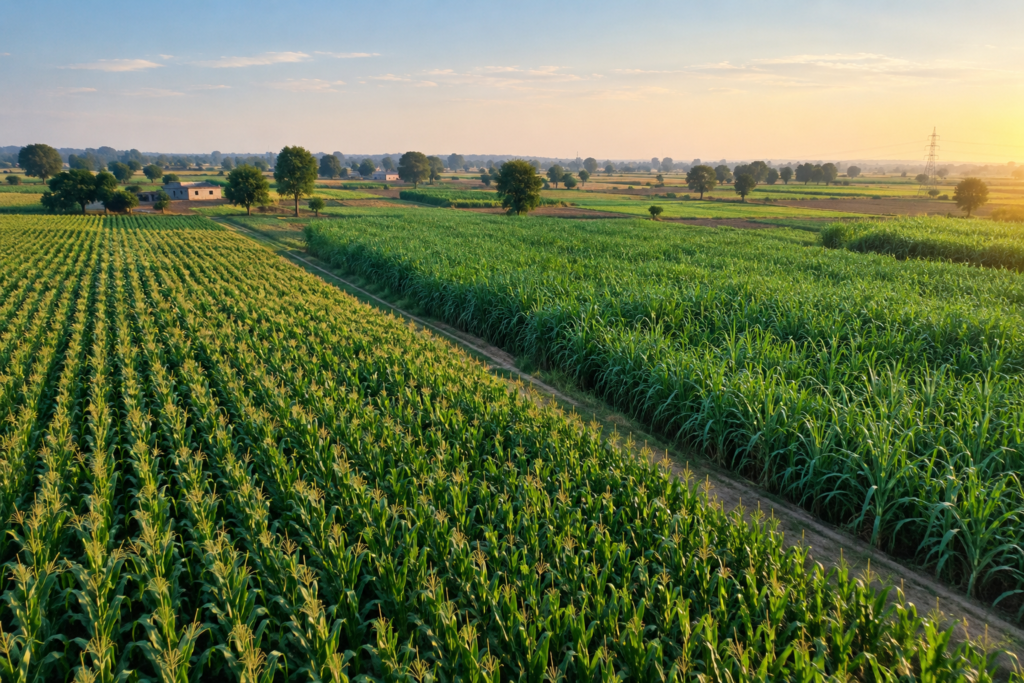
Agriculture isn’t a side note in Pakistan’s economy — it’s a structural pillar. The Trade Development Authority of Pakistan (TDAP) reports that agro-food exports contribute 17% of the country’s total national exports, and that Pakistan cultivates roughly 22.1 million hectares of fertile land year-round across summer and winter growing seasons. TDAP also notes that Pakistan ranks among the world’s top ten producers of wheat, rice, cotton, sugarcane, mangoes, dates, and mandarins.
That production base matters to buyers for a simple reason: consistent export supply depends on consistent raw material supply, and Pakistan’s growing seasons are staggered enough that multiple crops come off the land at different points in the year rather than all at once.
Recent trade data backs up the trend. According to Pakistan Bureau of Statistics figures reported by Xinhua, Pakistan’s food exports reached roughly $5.75 billion in the July–March period of fiscal year 2024–25, with basmati rice exports growing nearly 9% in value on a more than 21% rise in shipped volume. Rice remains the anchor of the country’s food export basket, but it’s no longer the only story worth telling.
Beyond Rice and Wheat: The Rise of Agricultural By-Products
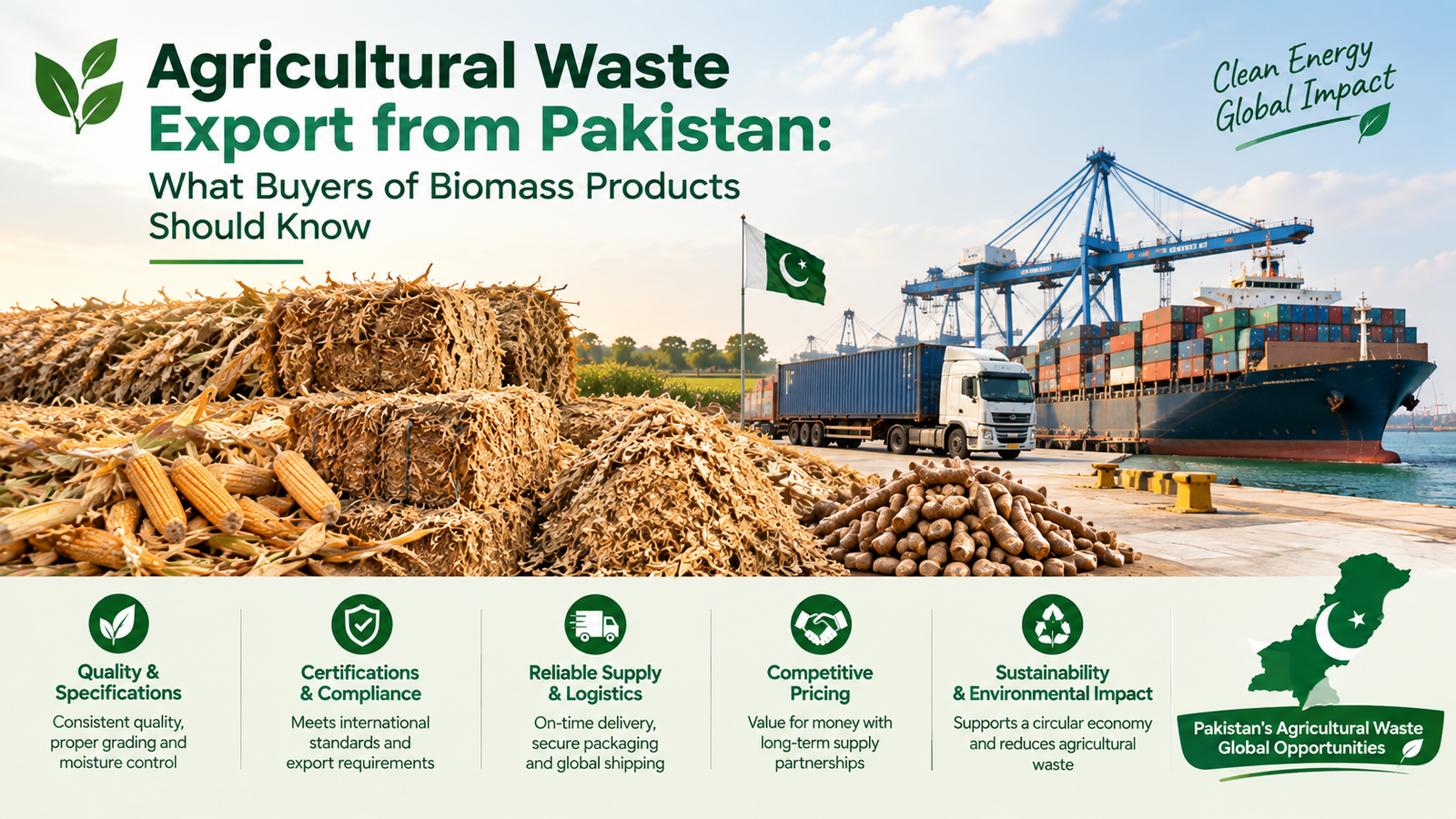
Here’s where the picture gets more interesting for buyers outside the traditional food-import space. Pakistan’s large-scale cultivation of corn (maize), sugarcane, and wheat doesn’t just produce grain and sugar — it produces enormous volumes of residual plant material that used to be burned in fields, left to rot, or sold locally for pennies. Corn cobs, sugarcane bagasse and press mud, wheat straw, and processing-line sawdust are all by-products of crops Pakistan already grows at scale.
What’s changed is that global industries now actively want this material. Corn cob meal and granules are used in mushroom cultivation substrates, animal bedding, absorbents, and industrial filler applications. Sugarcane residues feed into composting and biomass fuel supply chains. And solid biomass fuel — sawdust, briquettes, pellets, and carbonized bio-coal — has become a genuine commercial category as industries and utilities look for lower-carbon alternatives to coal for boilers, industrial heating, and power generation.
This is where “agricultural exports” and “biomass exports” start to overlap rather than sit in separate categories. A country that grows a lot of corn and sugarcane isn’t just a grain or sugar exporter by default — it’s also sitting on a large, renewable, and previously underused feedstock base for the biomass fuel trade.
What “Biomass Export Products” Actually Covers
For buyers unfamiliar with the category, it’s worth breaking down what typically falls under agricultural biomass exports:
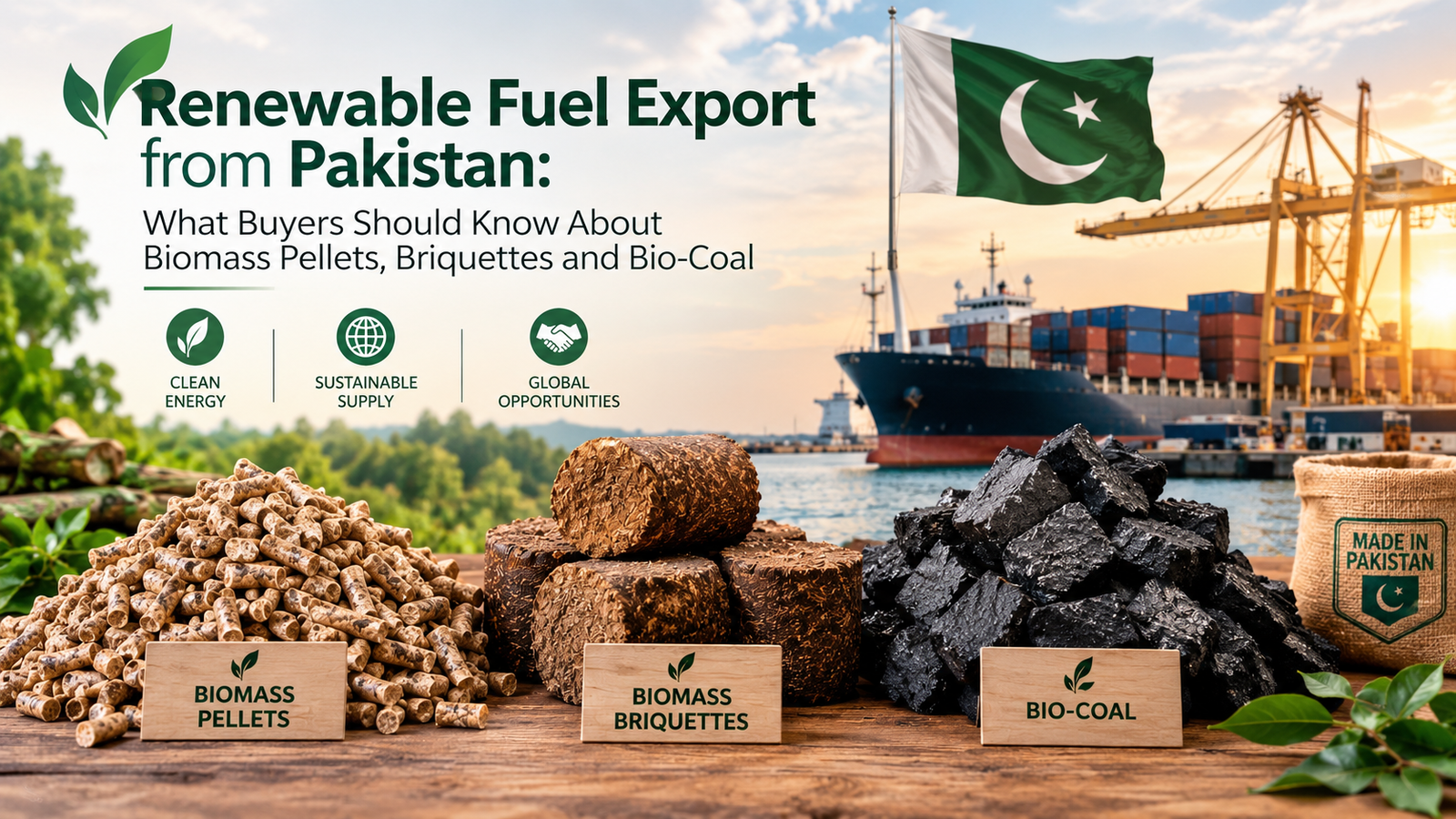
- Biomass sawdust – processed wood or crop-residue material used as fuel feedstock for pellet and briquette production or direct combustion.
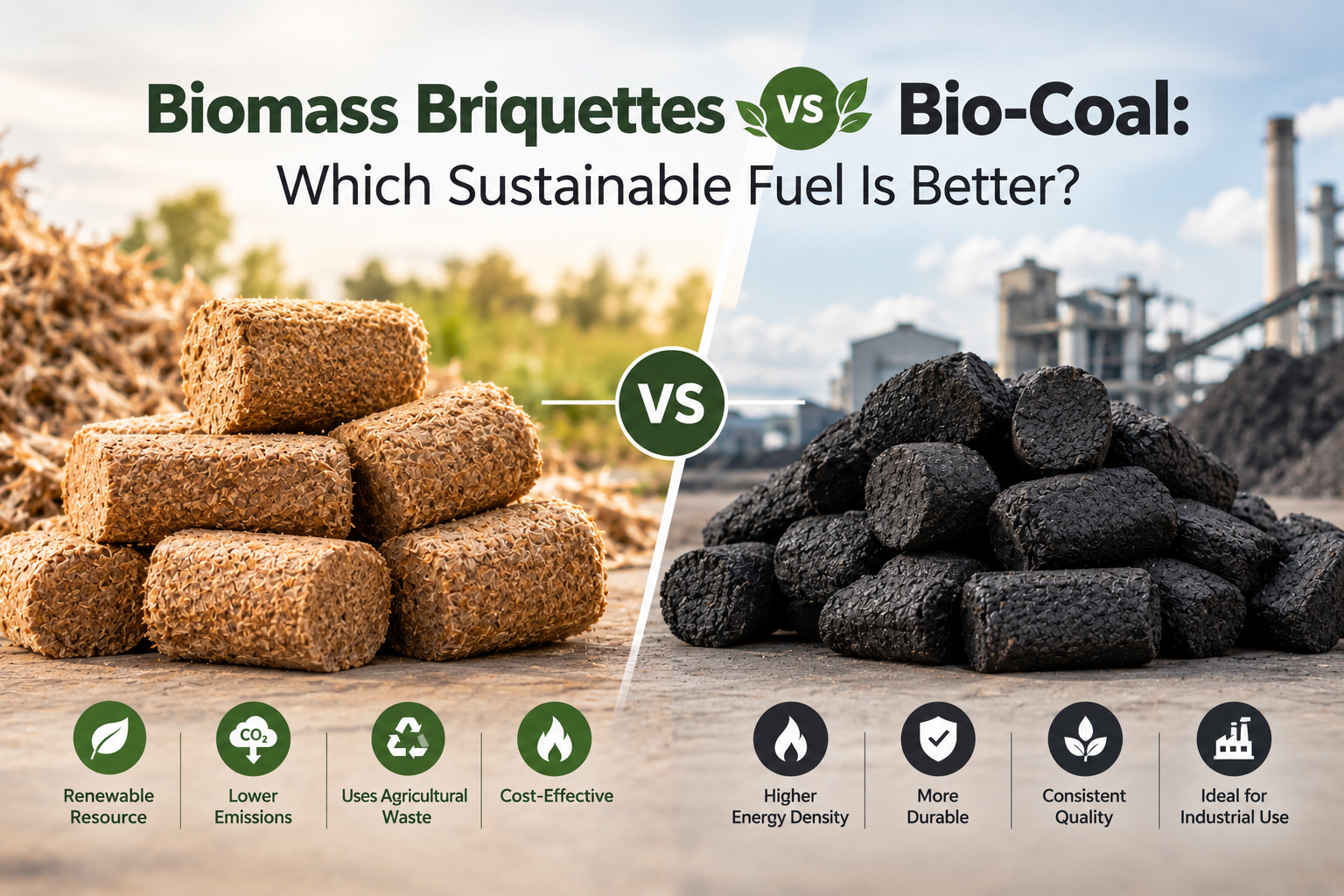
- Biomass briquettes – compressed, densified fuel blocks made from agricultural or forestry residue, used for industrial heating.
- Biomass pellets – uniform, compressed fuel pellets suited to automated feeding systems in boilers and commercial heating units.
- Bio-coal – carbonized biomass with a higher energy density, marketed as a cleaner substitute for mineral coal in some industrial applications.
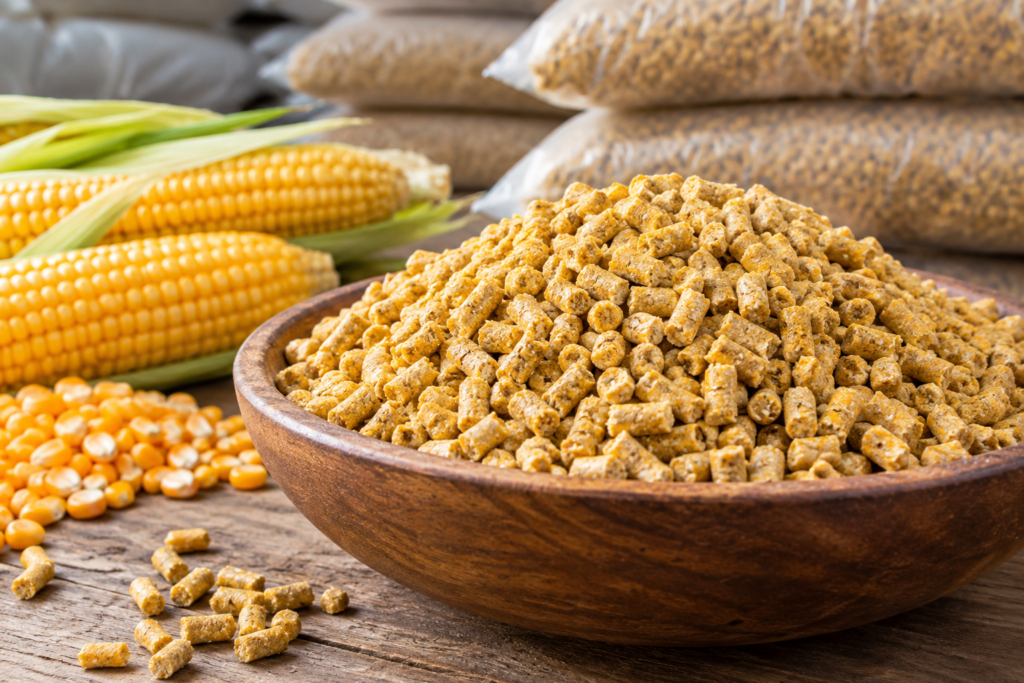
- Corn cob meal, granules, and crushed corn cob – processed corn cob material used in agriculture, absorbent products, and industrial raw material applications rather than as fuel.
- Sugarcane residues – by-products of sugarcane processing used in composting, biomass blending, and industrial input applications.
None of these are exotic categories. What’s changed is that buyers now source them internationally rather than treating them as waste to be handled locally.
Why Pakistan Specifically Has an Edge in This Category
A few structural factors give Pakistan a genuine, non-marketing-driven advantage here, rather than just a marketing angle:
Climate suited to natural processing. Pakistan’s extended dry season supports sun-drying of agricultural residues, which lowers moisture content before export and reduces the mechanical drying costs that biomass processors in wetter climates have to absorb.
Crop volume as a byproduct of food and fiber production. Because Pakistan already cultivates corn, wheat, rice, and sugarcane at scale for domestic consumption and traditional export, the residue volumes exist regardless of whether biomass demand grows — it’s a matter of capturing material that was previously wasted rather than diverting land to a new crop.
Cost base. Labor and land costs in Pakistan’s agricultural regions remain lower than in several competing biomass-exporting markets, which affects landed cost for buyers even after freight is factored in.
Existing export infrastructure. Pakistan has functioning containerized export handling through its ports, built up over decades of textile, rice, and general cargo exports — infrastructure that a new biomass exporter doesn’t have to build from scratch.
None of this means sourcing from Pakistan is automatically simpler or cheaper than alternatives — due diligence still applies, and I’ll get to that next — but it explains why the country is showing up more often in biomass and agro by-product sourcing conversations than it did five years ago.
What Buyers Should Actually Evaluate Before Sourcing
If you’re seriously considering a Pakistani supplier for agricultural by-products or biomass materials, the questions that matter most aren’t about marketing claims — they’re about verifiable specifics.
Moisture content and consistency. Biomass fuel value is directly tied to moisture percentage. Ask for actual moisture test data on recent shipments, not just a general specification sheet, and ask how moisture is checked before packaging.
Contamination control. Corn cob and sugarcane residue materials can pick up soil, plastic fragments, or foreign matter during field collection. Ask what sorting, cleaning, and contamination-control steps happen before packing, and whether those steps are done in-house or outsourced.
Packaging format. Bulk biomass and agro by-products are typically shipped in PP (polypropylene) bags or jumbo bags, sometimes with custom packing for specific buyer requirements. Confirm packaging weight, bag specifications, and whether the supplier can accommodate your preferred format before you commit to a purchase order.
Sourcing structure. Ask whether the supplier sources through direct farm-level collection, decentralized mandi (market) networks, or a mix — this affects both consistency and traceability, particularly if your end customer cares about supply chain transparency.
Documentation and communication. Export documentation requirements vary by product category and destination country. A supplier who can walk you through the paperwork process clearly, rather than deflecting the question, is generally a better sign than one who says “we handle everything.”
Sampling before commitment. For any new agro by-product or biomass supplier relationship, request physical samples before placing a full container order. Specification sheets don’t always match what actually ships.
Questions Worth Asking Any Pakistani Agro or Biomass Exporter
- What is the actual moisture percentage of the last three shipments of this product?
- How is contamination checked, and what’s rejected before packing?
- Can you provide packaging options beyond your standard PP bag format?
- Where does your raw material come from — direct farms, local markets, or both?
- What documentation do you provide with each export shipment?
- Can I get a sample before committing to a full order?
These aren’t trick questions. A supplier with a genuinely structured process should be able to answer all six without hesitation.
Where Companies Like Daa Agri Limited Fit In
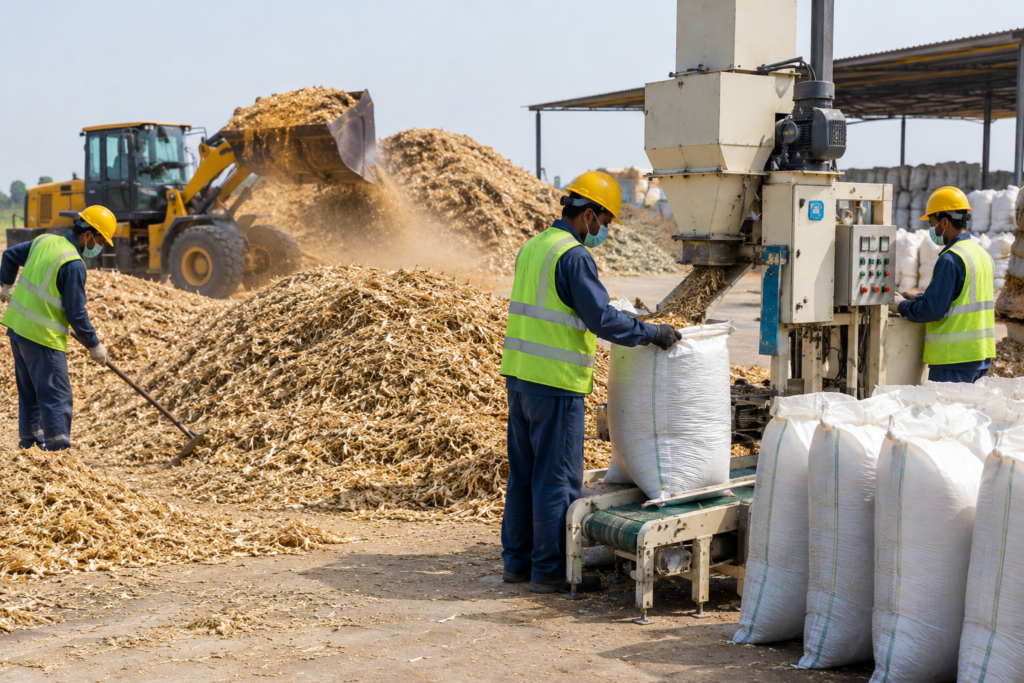
Daa Agri Limited is one example of how this shift is playing out on the ground. It’s a Pakistan-based agricultural processing and export company built around a fairly specific focus: sourcing and processing corn cob and sugarcane-derived residues into export-grade material, alongside a broader biomass product line covering sawdust, briquettes, pellets, and bio-coal.
What’s notable in how the company describes its own approach is the emphasis on a circular agricultural value chain — collecting farm residues that would otherwise go unused, then cleaning, grading, checking moisture, and controlling for contamination before packaging for export. That sequence (collection → processing → quality control → export-ready packaging) is essentially the same due-diligence checklist buyers should be running through with any supplier in this category, which is a useful way to think about it: the questions above aren’t specific to one company; they’re the standard a serious agro-by-product exporter should be able to meet.
FAQ: Sourcing Agricultural and Biomass Products From Pakistan
Is Pakistan a reliable source for biomass fuel products like pellets and briquettes?
Pakistan has the raw material base — corn, sugarcane, and wheat residues — and growing export infrastructure for biomass products. Reliability at the supplier level still depends on individual company processes, so due diligence on moisture control, contamination handling, and documentation remains essential regardless of country of origin.
What’s the difference between biomass pellets and biomass briquettes?
Pellets are small, dense, uniform cylinders typically used in automated feeding systems for boilers and heating units. Briquettes are larger, compressed blocks generally used in less automated industrial heating applications. Both are made from similar feedstocks, including agricultural residue.
Can corn cob by-products be used for something other than fuel?
Yes. Corn cob meal and granules are commonly used in mushroom cultivation substrates, animal bedding, absorbent products, and various industrial filler applications — separate from the biomass fuel category.
What packaging is standard for agricultural by-product exports from Pakistan?
PP (polypropylene) bags and jumbo bags are the most common formats, with custom packaging available from some suppliers depending on buyer requirements and order volume.
Why is global demand for agricultural biomass products increasing?
Industries and utilities are increasingly looking for lower-carbon alternatives to coal for industrial heating and power generation, which has increased commercial demand for processed biomass fuel derived from agricultural and forestry residue.
How can I verify a Pakistani exporter’s product quality before ordering in bulk?
Request recent moisture-content data, ask about contamination-control procedures, and request physical samples before committing to a full container order. A supplier’s willingness to answer these questions directly is itself a useful signal.
Where This Leaves Buyers
Pakistan’s agricultural export story isn’t just about rice anymore, and it isn’t just about biomass either — it’s about a country whose existing crop base happens to generate the raw material both categories depend on. For buyers, that means more sourcing options than existed a decade ago, but the fundamentals of supplier evaluation haven’t changed: check the moisture data, ask about contamination control, request samples, and confirm documentation before you commit.
If you’re evaluating suppliers in this space, it’s worth looking at how a company structures its sourcing and processing chain before assuming any two exporters are interchangeable — the differences usually show up in the details, not the sales pitch.
Turn industry knowledge into a supply conversation.
Contact GreenCore for product availability, specifications, bulk packaging and export support.