
Biomass Energy Solutions in Pakistan: Complete Guide for Businesses
Energy costs and reliability weigh heavily on Pakistani industry, and many businesses are asking whether the farm residues piled up […]
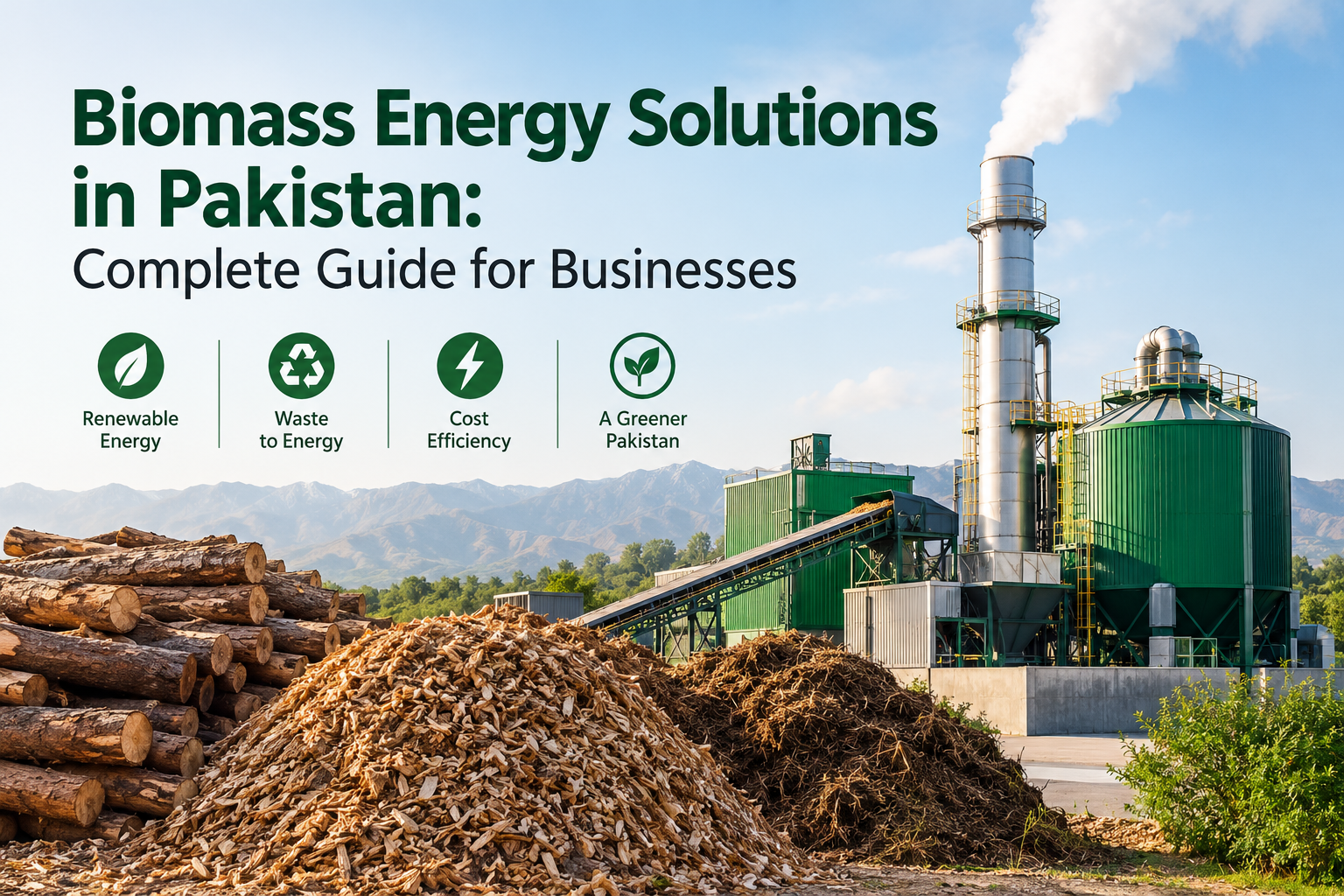
Energy costs and reliability weigh heavily on Pakistani industry, and many businesses are asking whether the farm residues piled up […]
Energy costs and reliability weigh heavily on Pakistani industry, and many businesses are asking whether the farm residues piled up around them could help. Biomass energy in Pakistan is not a new idea. Sugar mills have run on it for decades. What has changed is the broader interest in using agricultural residues as a more deliberate part of an industrial energy mix.
This guide is written for business decision-makers. It explains Biomass Energy Solutions in Pakistan, the main routes for biomass energy, what the evidence says about potential and limits, and what to check before relying on a feedstock supply.
Why Biomass Is Attractive
Pakistan has abundant agricultural residues, and the energy case is straightforward: rather than burning waste in fields or leaving it to rot, convert it to steam, heat or electricity. Researchers at UET Taxila note that Pakistan’s electricity shortage has constrained economic growth and industry, and that bagasse-based cogeneration offers a route to reduce reliance on fossil fuels while giving mills a revenue source.
The Main Routes
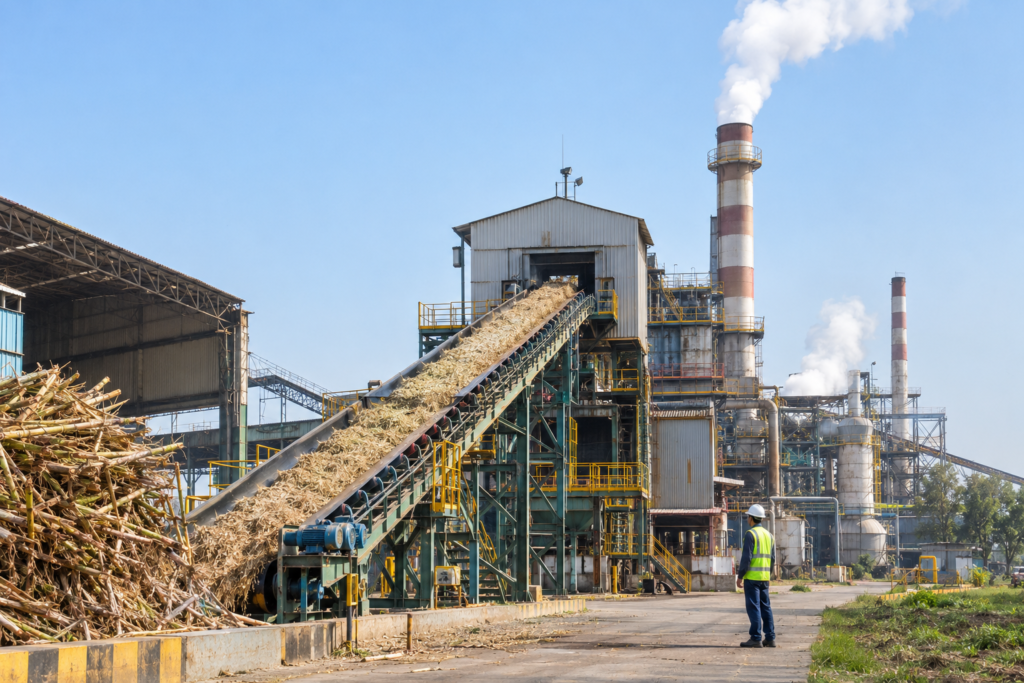
Cogeneration in sugar mills
This is the established model. Mills burn bagasse to make steam for processing and electricity for their own use. Dawn has reported that almost all of Pakistan’s sugar mills have in-house bagasse cogeneration plants, and that several sell surplus power to the grid. The UET Taxila paper argues that higher-pressure boilers would improve efficiency and electricity output compared with older low-pressure systems. A sugar-industry case study similarly notes that only a few mills had adopted high-pressure cogeneration.
Direct combustion for industrial heat
Factories with boilers or kilns can burn processed residues for process heat, provided the fuel suits their equipment.
Other conversion routes
Pelletising, briquetting and gasification are further options, each with its own equipment and fuel-quality needs.
The Feedstock Reality Check
Potential on paper rarely equals supply in practice. A World Bank-supported mapping project hosted on ENERGYDATA.info distinguishes between theoretical residue volumes and availability after current uses and farmers’ willingness to participate in a feedstock supply chain. Its sugar-mill analysis also looks at the additional biomass needed to run a cogeneration plant through the months when bagasse is not available.
That off-season gap recurs. A government policy document explains that bagasse is mostly available during crushing and is uneconomic to store, so plants without a second fuel sit idle or switch to something else. Any business planning biomass energy needs a credible answer to the question: what burns in the other months?
Fuel Quality: The Part That Decides Performance
Agricultural residues behave differently from wood. The ISO 17225 series gives common language for solid biofuels, and its part on non-woody pellets notes that agricultural biomass generally has higher ash, chlorine, nitrogen and sulfur contents. The general part, ISO 17225-1, covers fuel specifications and classes for solid biofuels.
For a business, this translates into a short checklist:
- Moisture: lower moisture means more usable energy and fewer storage problems.
- Ash: affects efficiency, cleaning and disposal.
- Calorific value: confirm it by laboratory analysis of your lot.
- Corrosive elements: chlorine and sulfur matter for boilers.
- Size and form: must match your feeding system.
Planning Supply
Before committing to a biomass energy project, a business should answer:
- How many tonnes per year does the plant need, and when?
- Which residues are realistically available within economical transport distance?
- How will fuel be dried, stored and protected from moisture?
- Is there a backup fuel for shortfalls?
- Who is accountable if delivered fuel misses specification?
Choosing a Biomass Supplier
Ask any prospective supplier:
- Which residue and form do you offer, and where does it come from?
- What moisture level do you guarantee in writing, and how is it tested?
- Can you provide lab results for ash and calorific value?
- How do you manage supply across the harvest cycle?
- What packing and delivery arrangements do you offer?
- Will you provide a sample before the first order?
Clear, documented answers matter more than headline volumes.
Daa Agri Limited’s Role
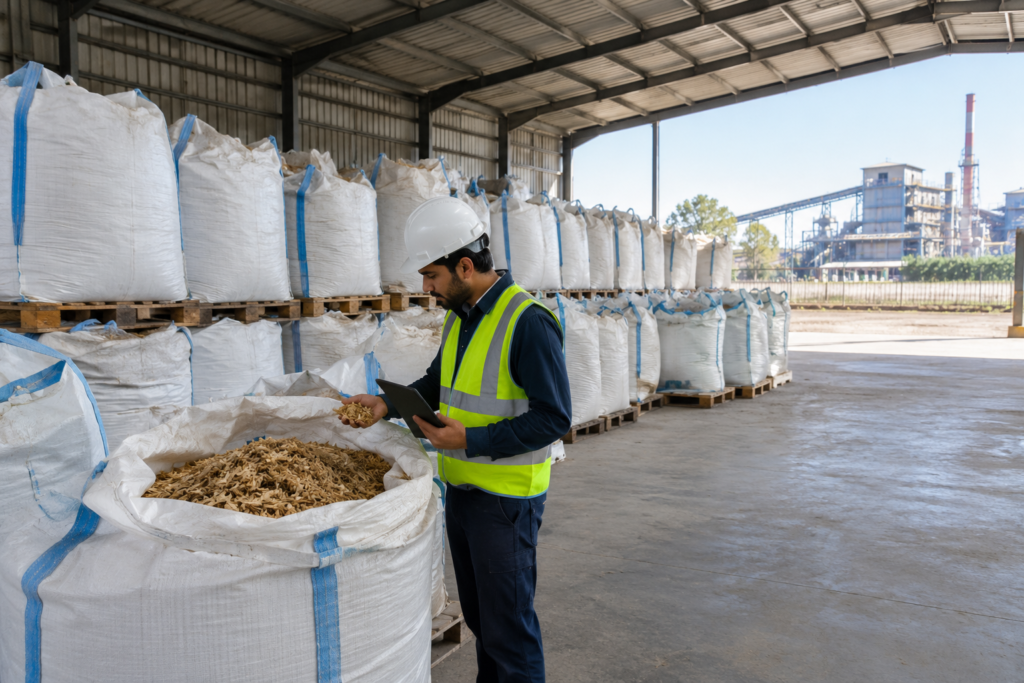
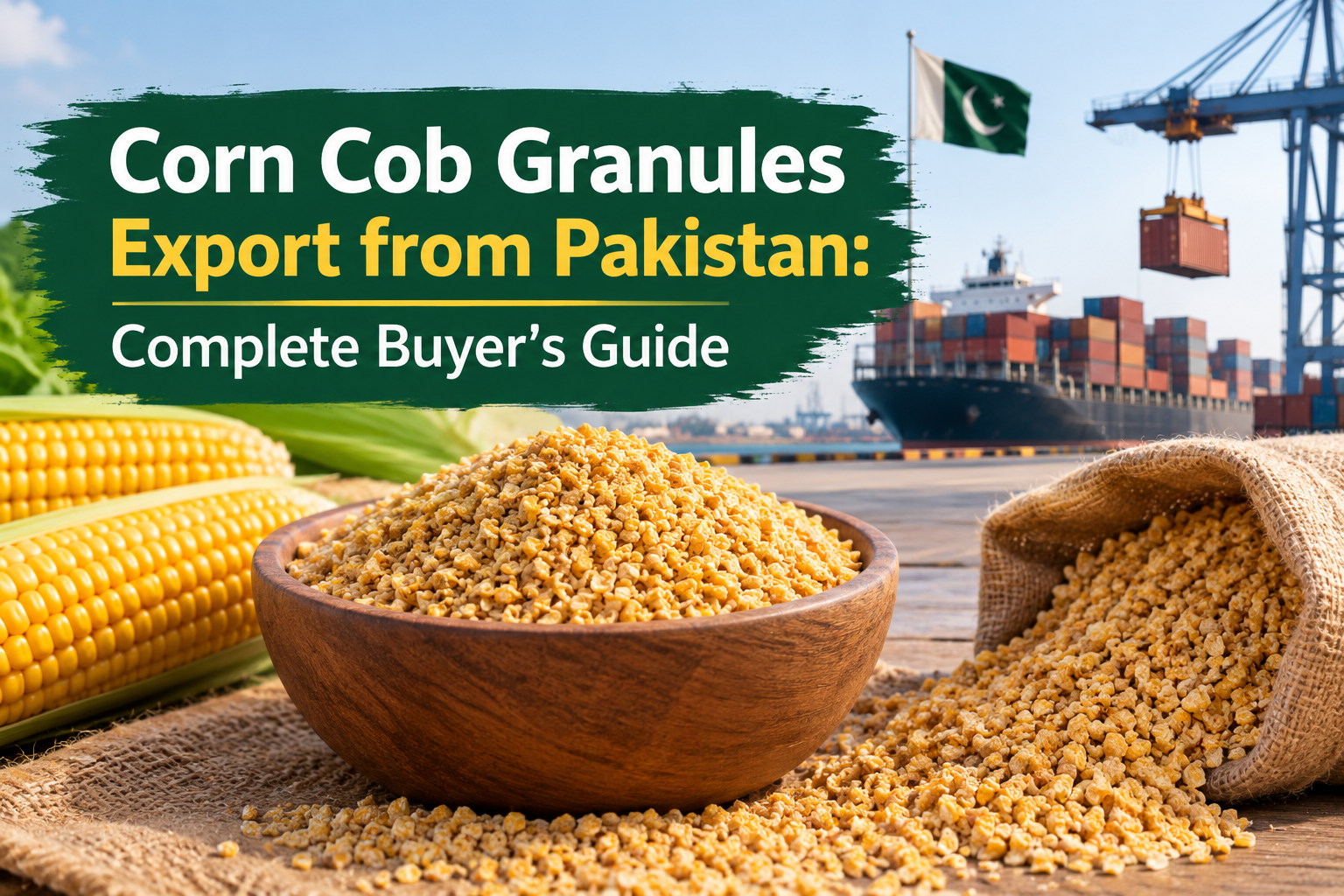
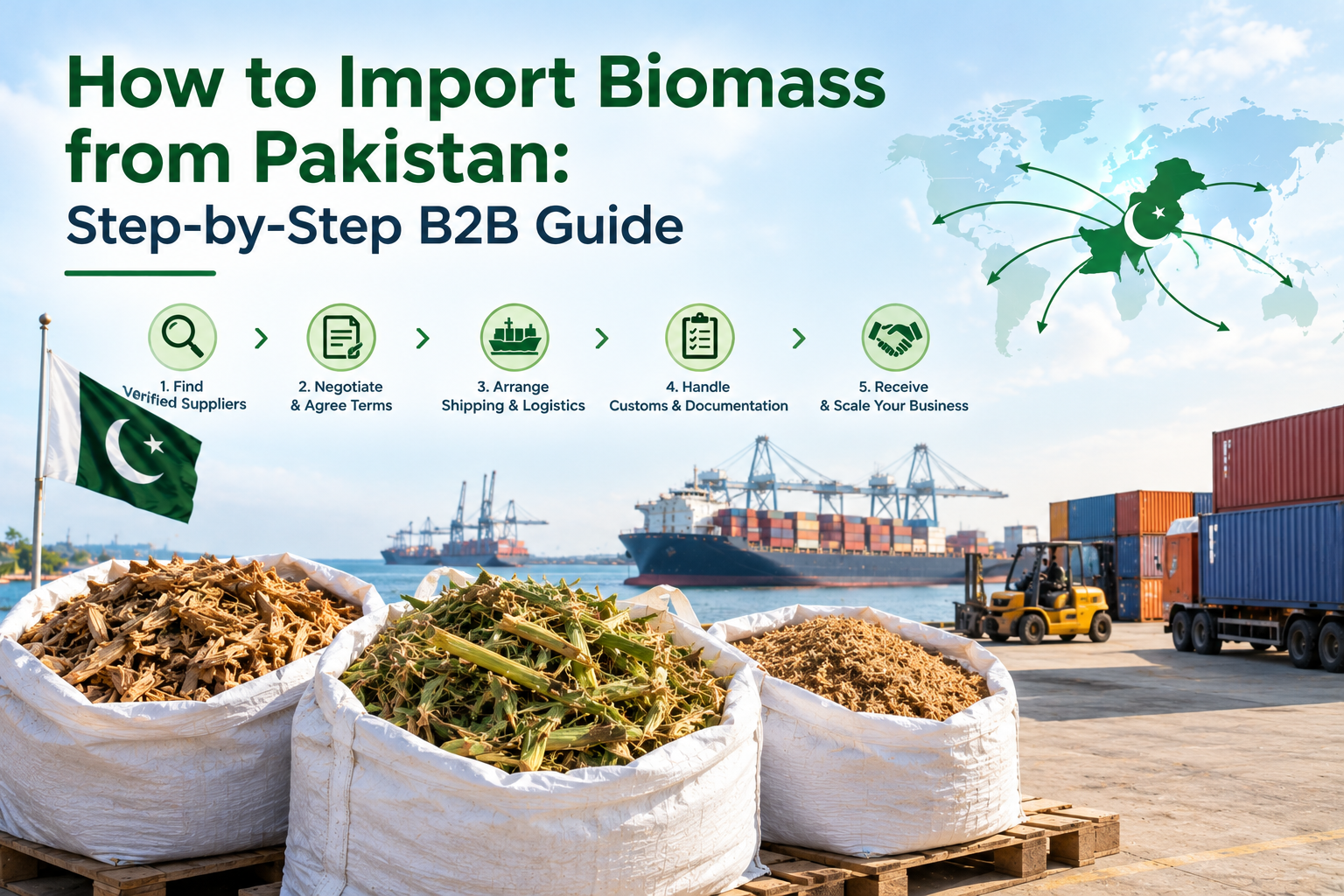
Daa Agri Limited is a Pakistan-based agricultural processing and export company working across a circular agricultural value chain. Its profile describes responsibly sourced farm residues converted into export-grade raw materials, with core products including corn cob meal, corn cob granules and processed sugarcane tops and field residues, and a process covering cleaning and sorting, sun drying, size reduction and moisture checks, followed by PP or jumbo bag packing.
The company’s profile focuses on mushroom cultivation, animal feed and organic agriculture and does not state fuel-grade specifications. Businesses exploring biomass for energy can still contact the team to discuss the available residues, but should request laboratory data and confirm suitability for their own equipment before ordering.
Conclusion
Biomass energy in Pakistan has real potential, shown most clearly in sugar mills, but turning residue into dependable energy depends on fuel quality, seasonal planning and supplier discipline rather than on volumes alone. Businesses that test fuel, plan for the off-season and document specifications will be best placed to make it work.
For further information or to discuss availability, contact Daa Agri Limited at info@daaagri.com.
Turn industry knowledge into a supply conversation.
Contact GreenCore for product availability, specifications, bulk packaging and export support.