
Biomass Fuel Export from Pakistan: Complete International Buyer’s Guide
Pakistan has plenty of agricultural residue, but not all of it makes good fuel. A cob, husk or straw bale […]
Pakistan has plenty of agricultural residue, but not all of it makes good fuel. A cob, husk or straw bale […]
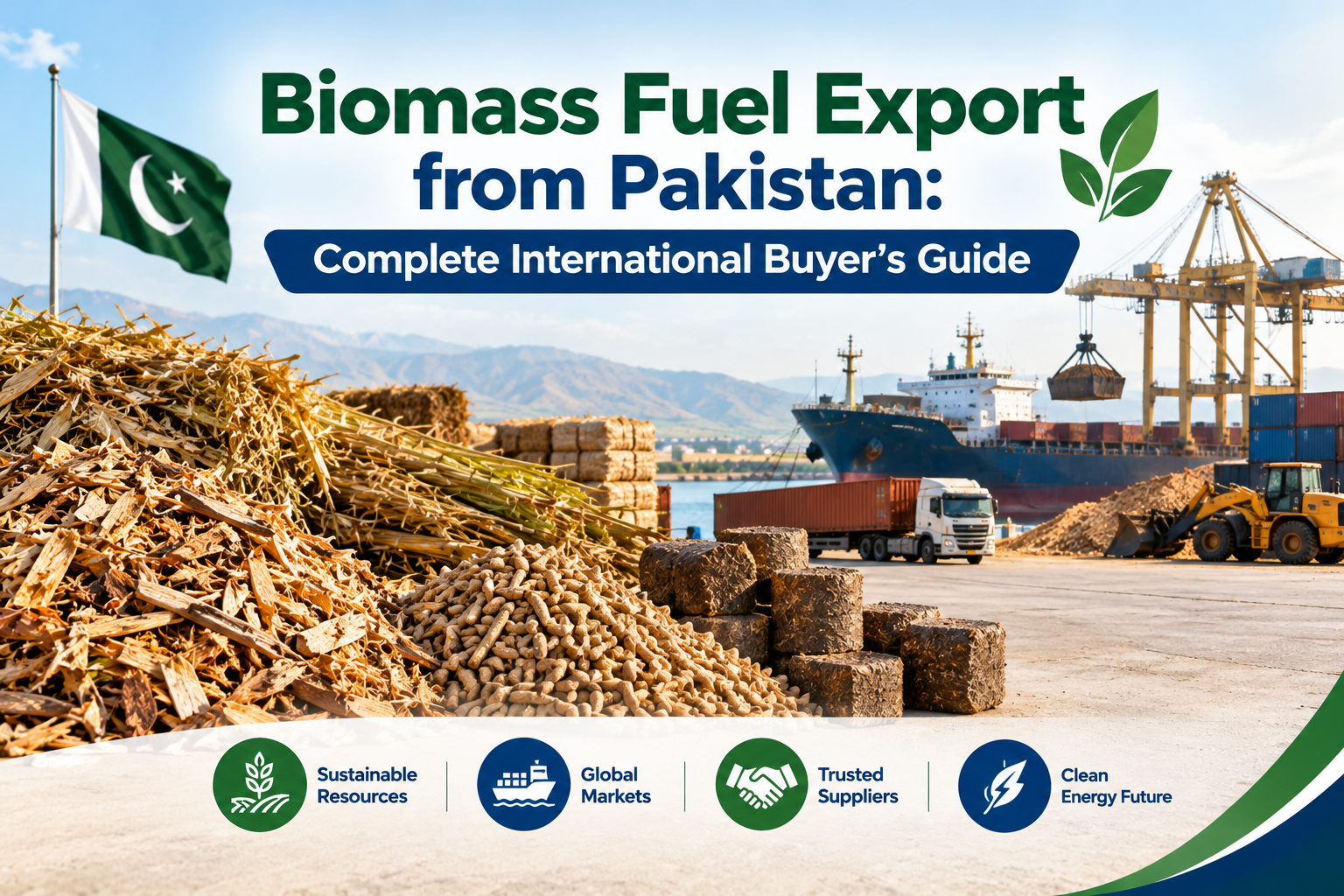
Pakistan has plenty of agricultural residue, but not all of it makes good fuel. A cob, husk or straw bale that works well as substrate or fibre can burn badly, leave heavy ash or corrode equipment and a buyer who treats “biomass” as one product risks expensive surprises. Biomass fuel export from Pakistan is a real topic, but it rewards buyers who understand what fuel quality actually means.
This guide covers Biomass Fuel Export from Pakistan, the residues that could serve as fuel feedstock, the properties that decide their value, the standards used to describe them and the practical steps in an export order.
Which Residues Could Serve as Fuel Feedstock
A World Bank-supported biomass mapping project for Pakistan, published on ENERGYDATA.info, covers wheat straw, cotton stalk, rice straw and husk, maize stalk, cob and husk, sugarcane trash and bagasse. Each differs in structure, moisture behaviour and ash.
Two competing demands deserve mention. First, sugar mills burn bagasse themselves; Dawn has reported that almost all of Pakistan’s mills run in-house bagasse cogeneration plants, so mill bagasse is not freely available. Second, some residues already serve local needs: one industry source notes that cotton sticks are mostly used as rural domestic fuel. Availability for export is therefore narrower than headline volumes suggest.
What Makes Biomass Good Fuel
Moisture content
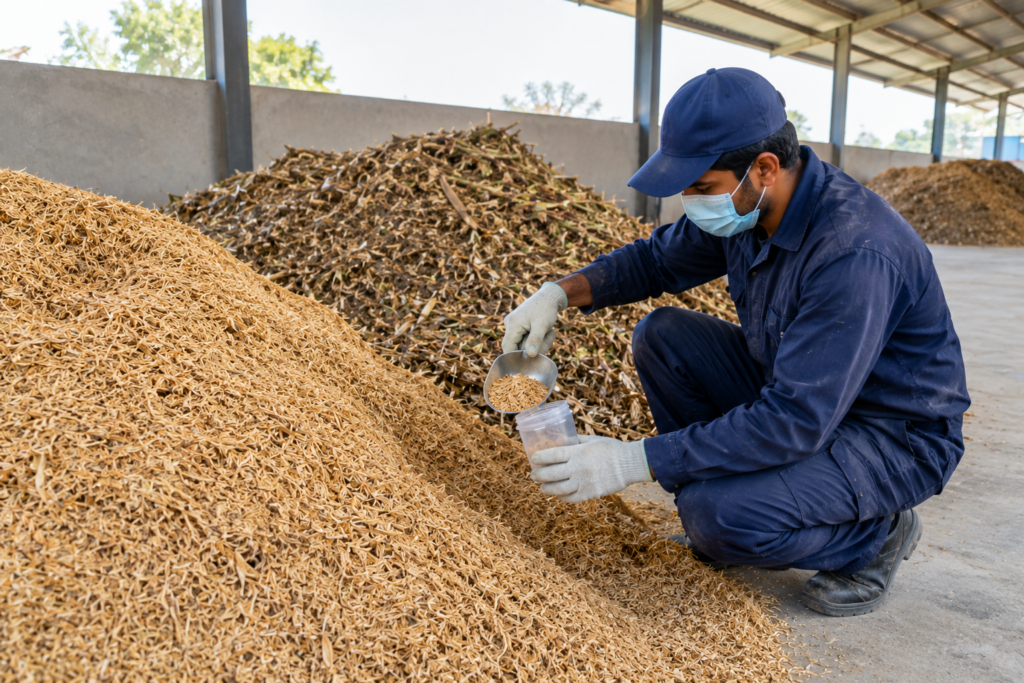
Moisture lowers usable energy, adds weight to freight, and encourages mould and heating in storage. Dry material is easier to ship and burn. Always agree on a maximum moisture level and how you’ll measure it.
Ash content
Ash is what remains after burning. Higher ash reduces net energy and creates handling and maintenance issues. Agricultural residues generally contain more of it than wood.
Calorific value
This measures energy released per unit of fuel. Ask for laboratory results on your actual lot, not typical figures for the crop.
Chlorine, nitrogen, sulfur and ash behaviour
These affect emissions and corrosion. The ISO 17225 series addresses solid biofuels, and its part for non-woody pellets states that non-woody biomass tends to have higher ash, chlorine, nitrogen and sulfur contents than wood. The general part of the standard sets out fuel specifications and classes for solid biofuels and is intended to support clear trading between buyers and sellers.
Form and size
Biomass trades as loose chips, ground material, pellets or briquettes. Each form has its own handling, density and equipment requirements. Confirm which one your boiler or process can use.
| Property | Why it matters | What to request |
|---|---|---|
| Moisture | Energy content, storage, freight | Maximum limit and test method |
| Ash | Efficiency and maintenance | Lab result for the lot |
| Calorific value | Energy per tonne | Lab result for the lot |
| Chlorine, sulfur, nitrogen | Corrosion and emissions | Lab analysis per your standard |
| Size and form | Feeding and combustion | Target range and tolerance |
A Note on Seasonality and Continuity
Residues follow harvest calendars. A government policy document on sugar-industry cogeneration observes that bagasse is available mostly during crushing and is uneconomic to store. The same logic applies broadly: continuity depends on how a supplier collects, dries and stores material between harvests.
Packing, Shipping and Terms
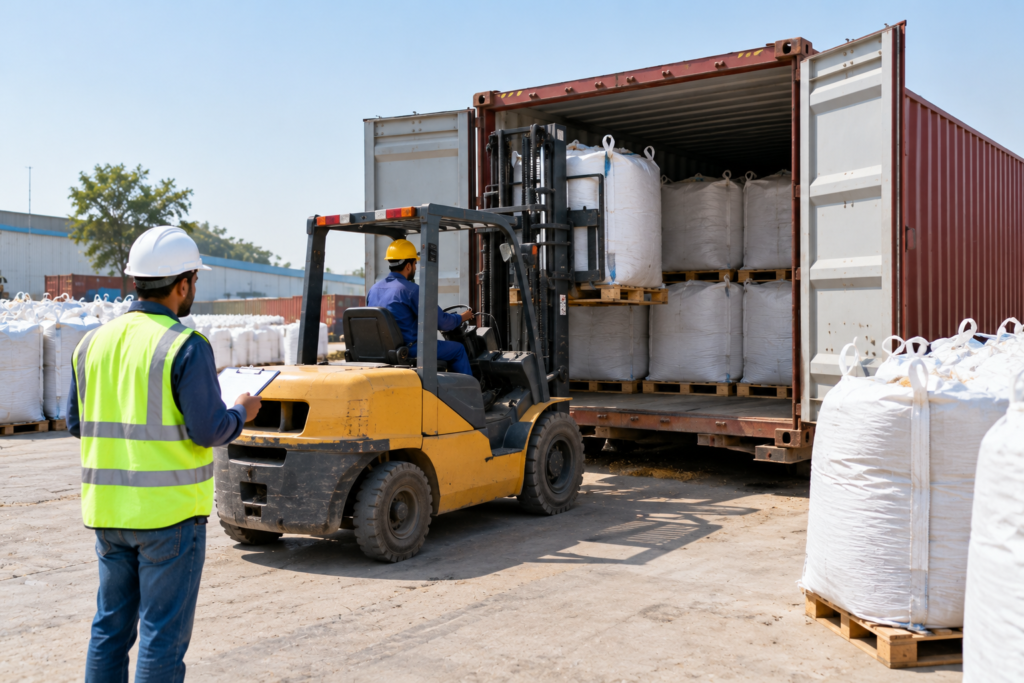
Biomass is bulky, so freight can account for a large share of delivered cost. PP bags and jumbo bags are common packing choices for processed residues, and your handling equipment should guide the decision. Keep cargo dry, and ask how containers are loaded and inspected. Dust, self-heating and moisture ingress are real concerns on long voyages, so discuss the route and season with your freight forwarder.
Settle an Incoterm early. The Trade Development Authority of Pakistan explains that FOB, CIF and related terms are standard in international trade and define who bears cost and risk. General exporter and buyer resources are available through TDAP. Import rules for biomass fuels differ between countries, so check requirements with your customs broker before ordering.
Steps for a Safer First Order
- Define your fuel requirement: form, moisture limit, ash limit, calorific target.
- Ask the supplier which residue and form they can actually provide.
- Request a sample and test it at an independent laboratory against your specification.
- Put the specification and test method in the contract.
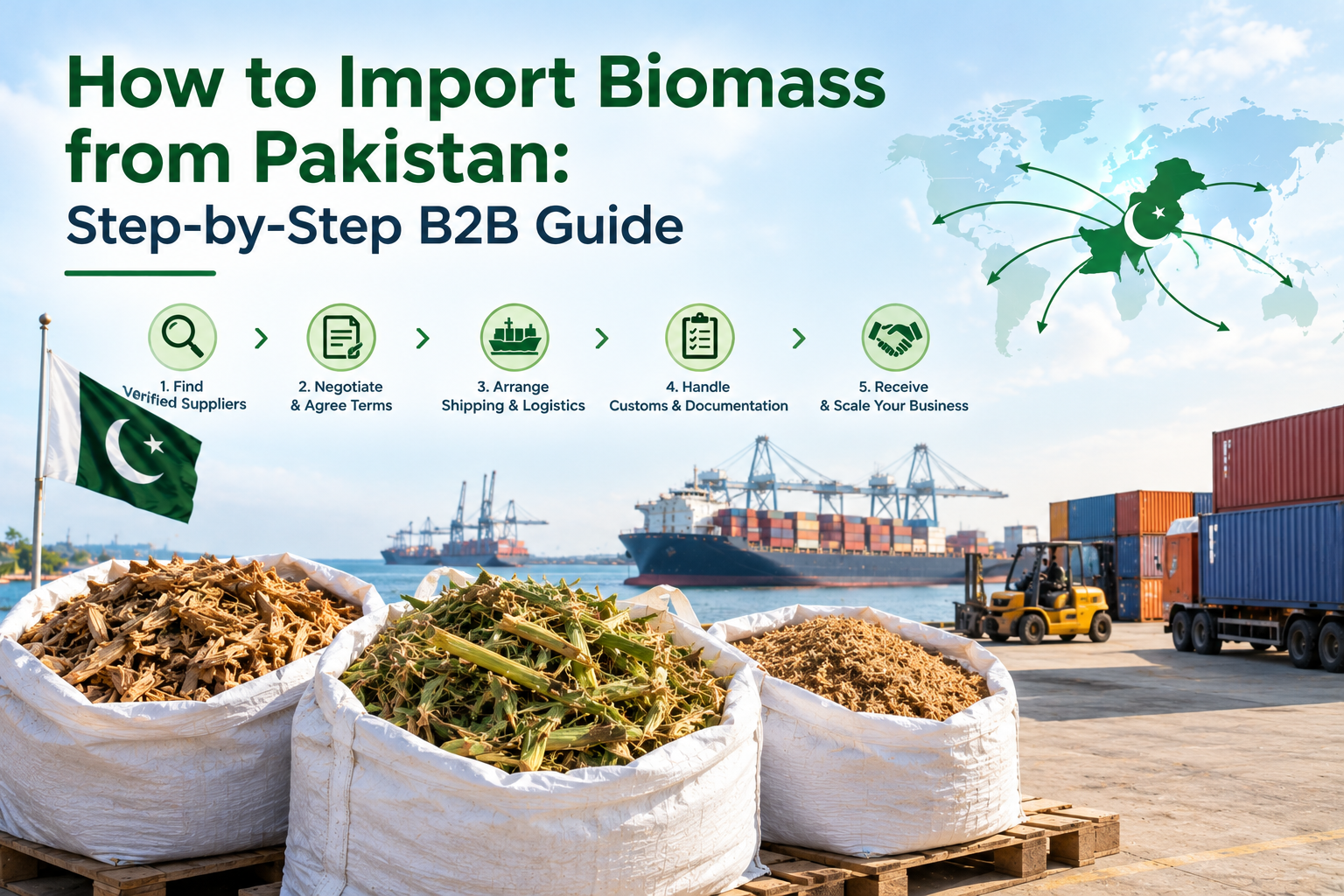
- Agree on Incoterms, payment terms and shipment window.
- Start with a trial shipment and inspect on arrival.
Working with Daa Agri Limited
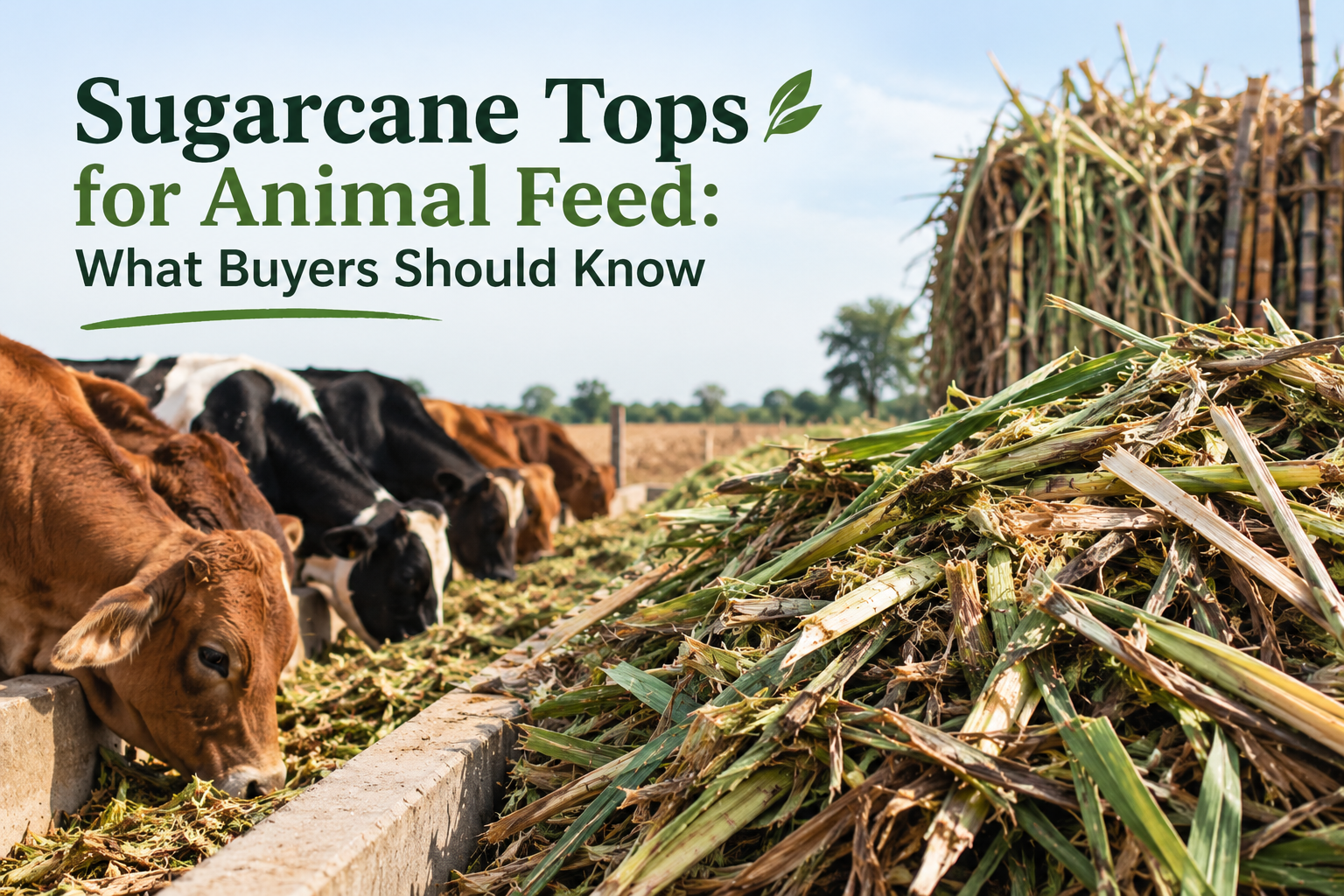
Daa Agri Limited is a Pakistan-based agricultural processing and export company working across a circular agricultural value chain, converting farm residues into export-grade raw materials. Its profile lists corn cob meal, corn cob granules and processed sugarcane tops and field residues among its core exports, prepared through cleaning and sorting, sun drying, size reduction and moisture checks and packed in PP or jumbo bags for containerized export.
The profile names mushroom cultivation, animal feed and organic agriculture as its served industries and does not state fuel-grade specifications. Buyers with a fuel application should therefore discuss their requirements directly with the team and obtain laboratory data for any lot before committing.
Conclusion
Biomass fuel export from Pakistan is shaped less by how much residue exists than by how dry, clean and consistent it is when it reaches your plant. Specify moisture and ash, insist on lab data, test before you scale and keep every term in writing. For more information about our products, services, and export solutions, please visit Daa Trade.
To discuss your requirements, contact Daa Agri Limited at info@daaagri.com.
Turn industry knowledge into a supply conversation.
Contact GreenCore for product availability, specifications, bulk packaging and export support.